


Pelvic floor: what it is and how to strengthen it
Updated: 11/05/2026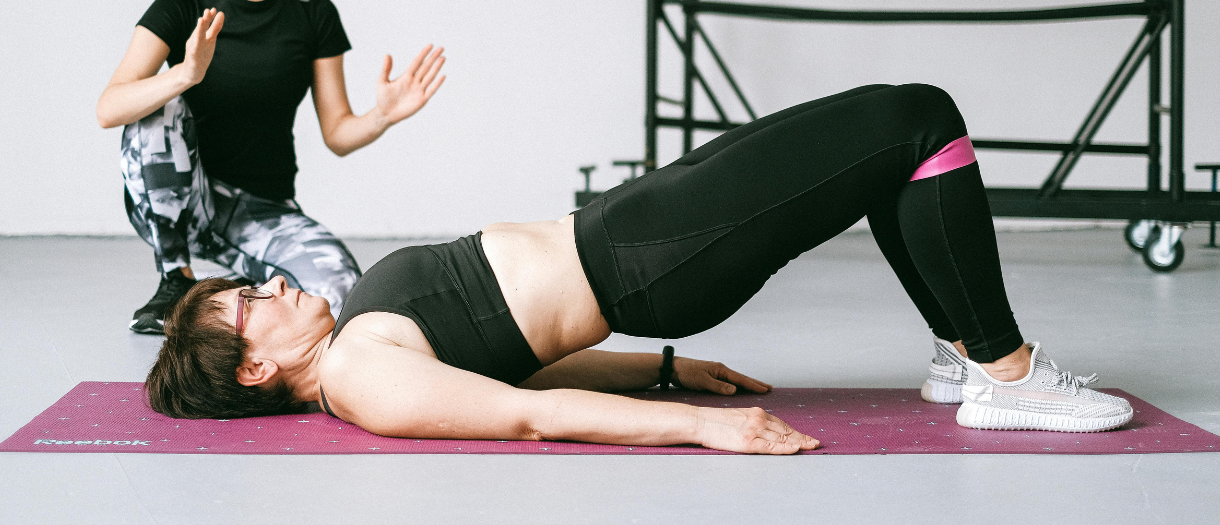
The pelvic floor is a structure located on the underside of the abdomen, shaped like two domes resting on the central fibrous core. Made up of muscles and ligaments, it is responsible for keeping pelvic and abdominal organs in position, including the bladder, vagina, uterus, prostate, seminal vesicles, and rectum.
Its correct muscle tone depends on basic functions such as urinary and fecal continence, but it also plays an essential role in sexual relationships. Therefore, if it weakens or suffers some alteration, the organs that depend on it can be affected, thus interfering with the quality of life of individuals.
Anomalies in the pelvic floor
The weakening or injuries in the pelvic floor respond to very diverse etiological origins and vary significantly between men and women.
- Pregnancy, as well as childbirth, can cause disruptions such as significant stretches and compressions in the muscles of the area. Similarly, episiotomy, although in recession, can cause complications in this region.
- Endometriosis can cause internal pressure that pushes the neighboring organs and the muscles that cover the perineum. In the long run, it can also cause distensions in the pubococcygeal area.
- Menopause, and in general any condition that involves a decrease in estrogen, can relax the area and stretch it, causing it to lose its ability to support internal organs.
- Overweight, and especially obesity, can overload the pelvic floor to the point of bending it, resulting in a gradual weakening of the muscles that compose it.
- Chronic or recurrent constipation can also cause discomfort in the perineal area. Similarly, other digestive disorders such as irritable bowel syndrome, in which there are abnormalities in the defecation function, can also wreak havoc on it.
- Blows and traumas to the lower body area, including the coccyx and the inguinal area, can also cause distensions in the pelvic floor in the long term.
- Surgeries in the pelvic and surrounding area, especially if not accompanied by an appropriate rehabilitation process, can also result in alterations in the correct function of the perineal muscle.
- Recurrent or chronic cough—and, therefore, smoking—can cause an overexertion in the muscles of the lower abdomen. In the long run, this muscle overload can also result in problems with urinary or fecal incontinence.
- Urinary tract infections, especially those in which there is inflammation of the bladder, can damage the perineal musculature or aggravate the pre-existing symptoms of pelvic floor dysfunction.
- Aging, being accompanied by a reduction in muscle mass and a decrease in elasticity, can also affect the proper functioning of the pelvic floor.
Symptoms
The symptoms of a pelvic floor dysfunction vary considerably depending on the cause and severity level. Gender, age, and clinical history also play an essential role in determining whether they are signs that indicate a pelvic floor dysfunction or refer to an underlying pathology.
Among the most common symptoms are:
- Heaviness, a feeling of swelling, or muscle pain in the lower abdomen. The pain can be accentuated in certain situations, such as during bowel movement, passing stools, or carrying weight.
- The prolapse of organs that make up the pelvic area, especially bladder or uterine prolapse.
- Incontinence, whether urinary or fecal. Other excretion-related symptoms may also appear, such as the feeling of not completely emptying the bladder, pain when urinating, or the tendency to contract recurrent urinary infections.
- Dyspareunia, otherwise known as coitalgia, especially in women. There may also be insensitivity or lack of pleasure during sexual relations.
Prevention
The prevention of anomalies in the pelvic floor includes multiple measures, from maintaining a balanced diet and quitting smoking if you are a smoker to avoiding impact sports and performing exercises to strengthen it. Properly preparing the pelvic area for childbirth and rehabilitating the body after an injury is also essential to ensure proper health of the perineal area.
Treatment
The treatment for pelvic floor dysfunctions will be directly subject to the etiological origin and the severity of symptoms. For specific pathologies, such as severe prolapses, surgery will be required; for others, such as incontinence, it may be possible to prescribe rehabilitation exercises. In these cases, physiotherapy exercises for the pelvic floor, biofeedback treatments, or electrostimulation therapies are usually recommended.
Kegel Exercises
Invented by Dr. Arnold Kegel, these exercises aim to restore the muscle tone of the pelvic floor, making them ideal for cases of hypotonia. The principle of these exercises is based on consciously contracting the muscles that compose it and relaxing them in a planned and controlled manner. The result is an increase in muscle mass, but also greater awareness of the area and the processes that depend on its correct functioning.
There are different ways to exercise the pelvic floor; the important thing is to find one that is not uncomfortable. The simplest and most common is usually done sitting or lying supine and voluntarily contracting the pelvic floor muscles. To gain greater sensitivity and control during the process and to ensure that the right muscles are being worked, a finger can be inserted into the vaginal or rectal cavity to detect the pressure exerted during contraction.
It is recommended to keep the muscles contracted for a maximum of 5 seconds and intersperse the exercises with a few seconds of rest. The ideal is to start with few repetitions (about 10) and perform them spaced out, 2 to 3 times a day. Over time, the frequency and duration can be slightly increased, always ensuring that certain limits are not exceeded that end up creating muscle hypertonia. In any case, it is always advisable to perform them under the supervision of a qualified professional.
Chinese balls
Another popular option is the use of Chinese balls. Unlike Kegel exercises, Chinese balls do not require intermittent or voluntary contractions and can be used standing and moving, so they may be more comfortable for certain patients.
Chinese balls are devices that must be introduced and retained against gravity inside the vaginal cavity. To start, especially if you have very little muscle tone, it is recommended to use large-diameter and lightweight balls; as the pelvic floor is reinforced, weights can be increased or the balls can be replaced with smaller diameter ones. In any case, it is recommended to start with training sessions that do not exceed 15 minutes. If the treatment progresses adequately, the time can be gradually increased, always ensuring that the threshold recommended by the physiotherapist is not exceeded.
At DH Medical Material, we have a wide range of Chinese balls designed for strengthening the pelvic floor. They are made with highly biocompatible and certified quality materials to ensure the safety of patients at all times. In addition, we have models of different shapes, weights and sizes to adapt to the needs of each clinical case, making them ideal for both beginners and experienced patients.
Among our products, you will find from double Chinese balls and single ones of different colors to sets with spheres of different measures designed to exercise the area progressively. In addition, we have the Kewos pack from Liebe, an exclusive strengthening set that includes interchangeable spheres of various weights and colors and a manual with exercises that guide the patient during the toning of the pelvic floor.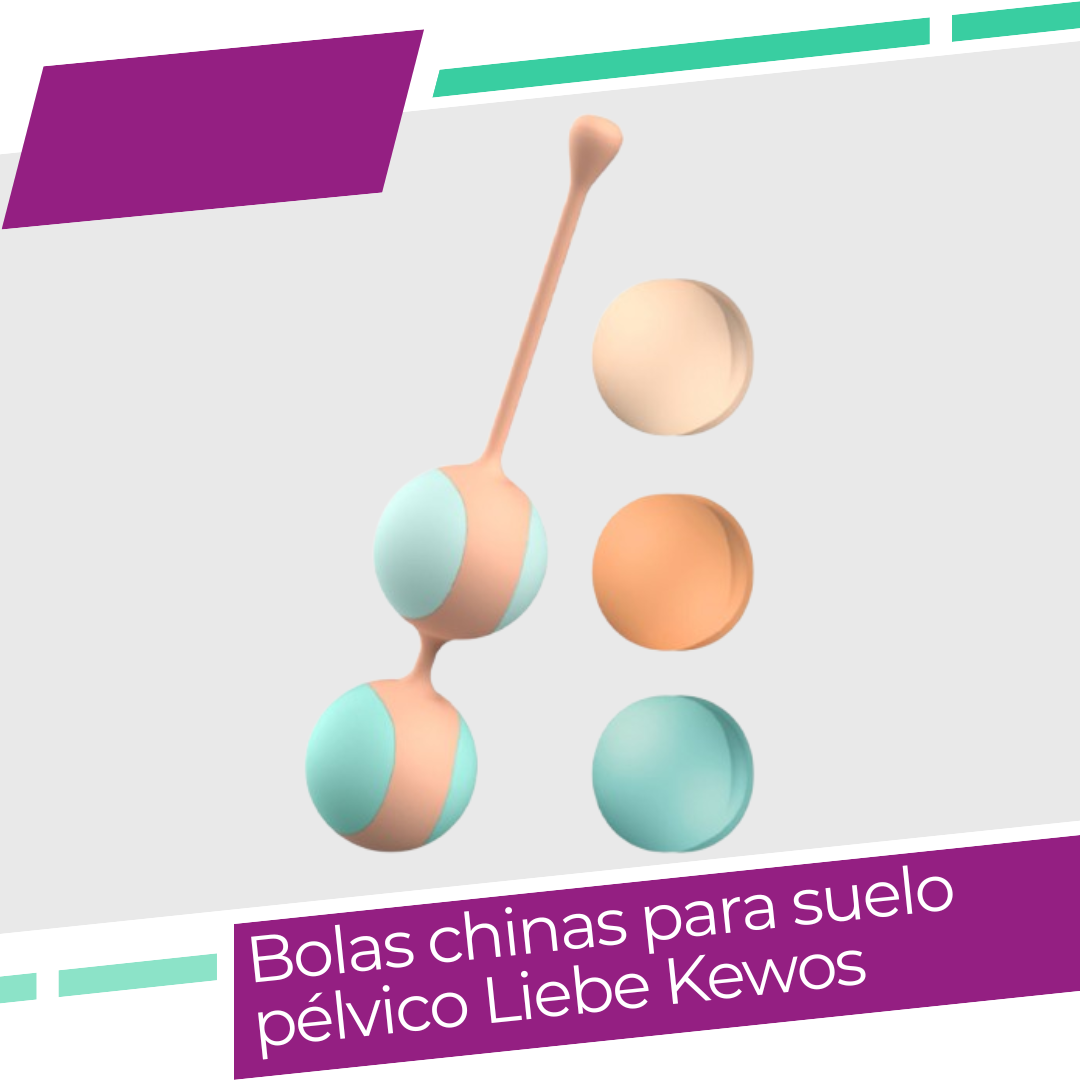
Biofeedback
The biofeedback technique could be considered as a complement to the aforementioned Kegel exercises. The principle is similar to these, but with the peculiarity that contractions are accompanied by real-time information on the patient's performance. In this way, errors are corrected, and greater awareness is gained about the toning of the pelvic floor, obtaining notable improvements in an accelerated way and more precise results.
Vaginal or rectal intracavitary probes are usually used to monitor the muscle tone of the pelvic floor. By applying pressure by contracting the perineal muscle, the probe captures the information and transports it to a monitor, providing feedback synchronously to the user. This gamification process not only increases the patient's commitment to the treatment but also makes it a pleasant and less uncomfortable activity.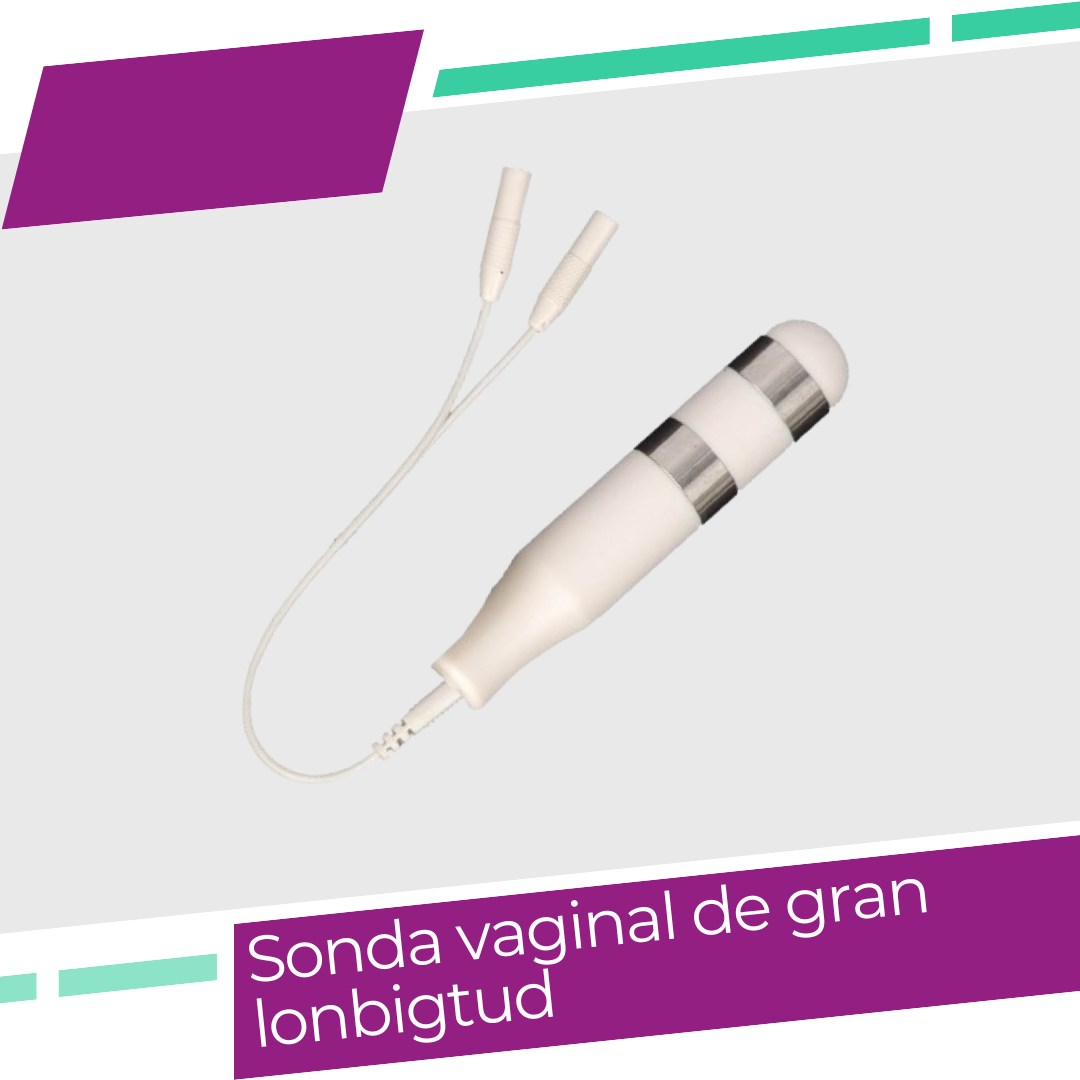
Manual therapy
For cases of pelvic floor hypertonia, where the pain is caused by perineal muscle tension, exercising the area can be counterproductive. In such cases, it is ideal to opt for a treatment that can alleviate muscle load, such as manual therapies. These can be performed externally or internally, depending on the physiotherapist's considerations and the severity of symptoms.
Although the massage is usually performed by a professional, many patients choose to do it themselves in the comfort of their home. In these cases, having a pelvic floor massager like the Lithea can greatly facilitate the process. It is an elongated device with a rounded and angled tip that vibrates to reach deep layers of tissue, providing an intense relaxation sensation even if used externally only.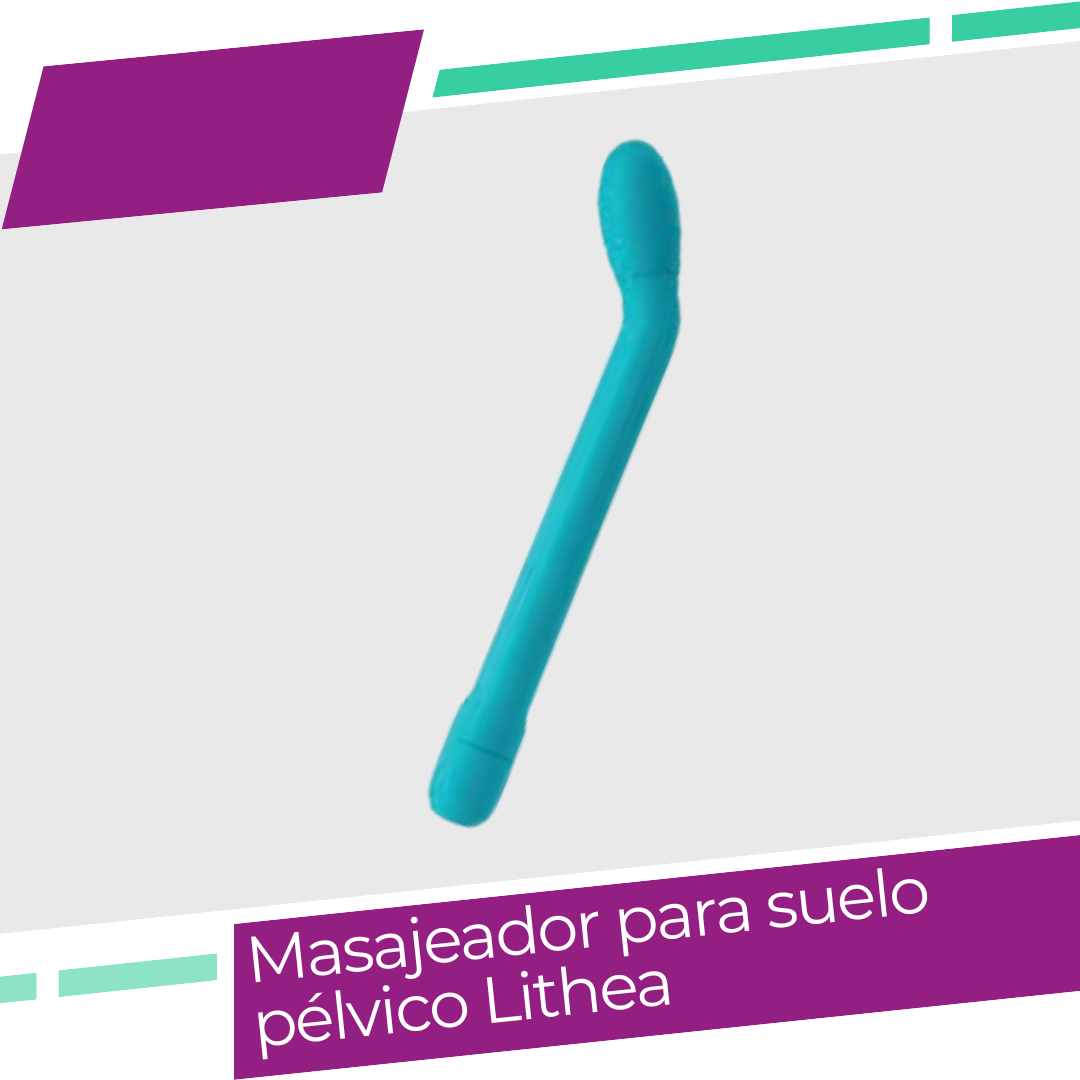
Electrostimulation
The use of electrostimulation equipment for the strengthening or relaxation of the pelvic floor is also widespread in the physiotherapeutic field. Similarly, as with biofeedback, intracavitary probes are required to supply the current discharges precisely and localized, so it is usually an option reserved for consultation.
By stimulating the area with electricity, the pelvic floor is activated while promoting blood flow to the area, which in turn improves sensitivity to the perineum and allows greater control over the sphincter and bladder. In addition, electricity also has a calming effect, so it can also be used for the treatment of hypertonia, hypersensitivity, tissue tears, or discomfort caused by scars.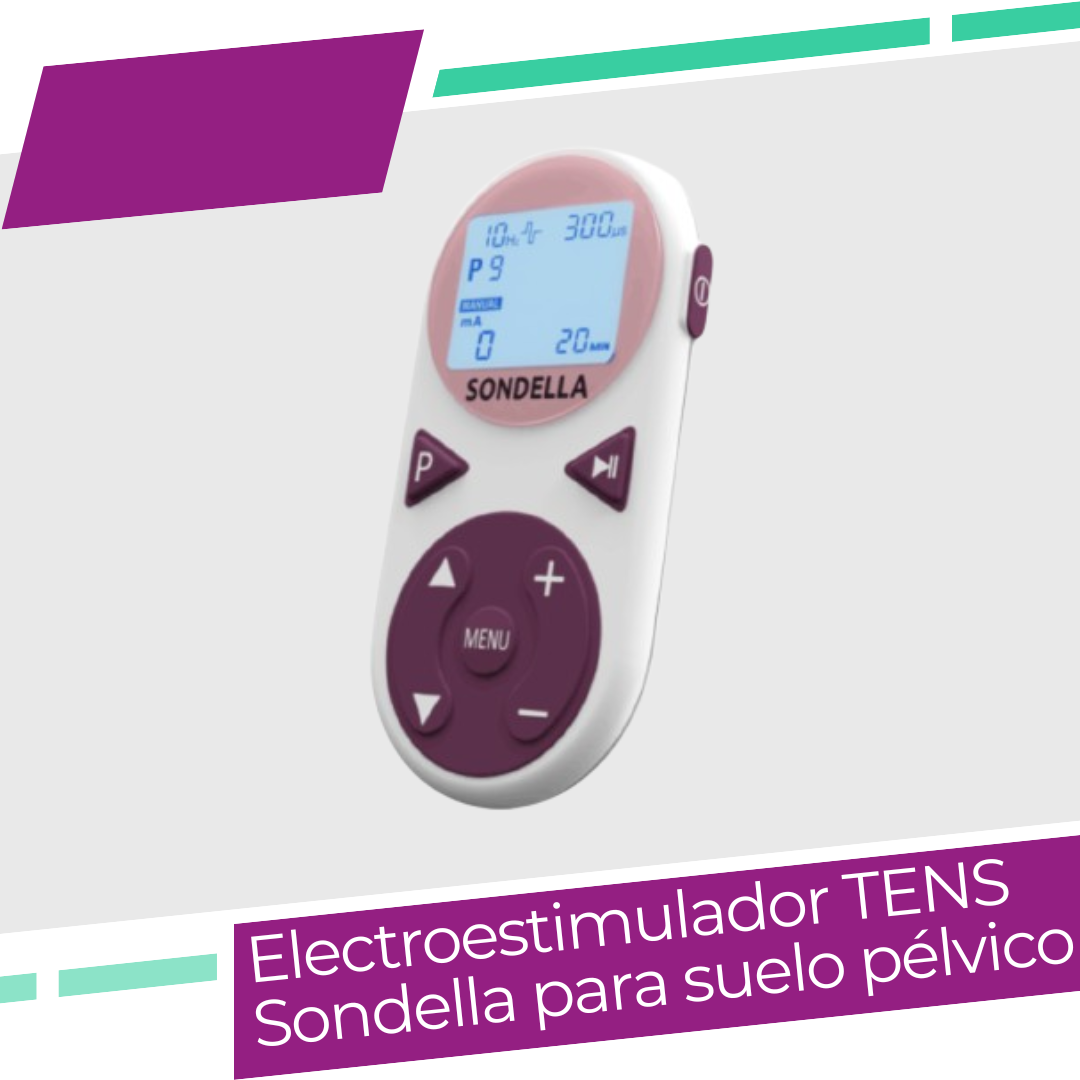
Conclusion
As we have been able to verify, the pelvic floor plays an essential role in many of the basic biological functions, so its health directly correlates with the quality of life of individuals. Performing preventive exercises and having an active and healthy lifestyle are fundamental to avoid complications in its functioning, but often inevitable factors such as aging or the sequelae produced by childbirth come into play.
Having professional advice in those cases is essential to guarantee its correct recovery. At DH Medical Material, we also know that it is essential to have the appropriate equipment to be able to exercise it precisely and comfortably, so we offer all kinds of articles for the rehabilitation of the perineal area. Contact us if you are interested in acquiring any device indicated for the strengthening or relaxation of the pelvic floor.
Products in this article


Liebe single/double Chinese balls pack for pelvic floor
28,88€(34,95€ VAT INCLUDED)


Sondella TENS Electro-stimulator for pelvic floor
82,60€(99,95€ VAT INCLUDED)
Long vaginal probe
22,00€(26,62€ VAT INCLUDED)

2 mm rectal probe
22,00€(26,62€ VAT INCLUDED)
Vaginal probe
18,00€(21,78€ VAT INCLUDED)

Double Chinese balls for pelvic floor. Various colors
12,36€(14,95€ VAT INCLUDED)
Lithea pink pelvic floor massager pack with Liebe Aloe Vera lubricant
24,75€(29,95€ VAT INCLUDED)


