


What is kinesiotaping and what benefits does it provide?
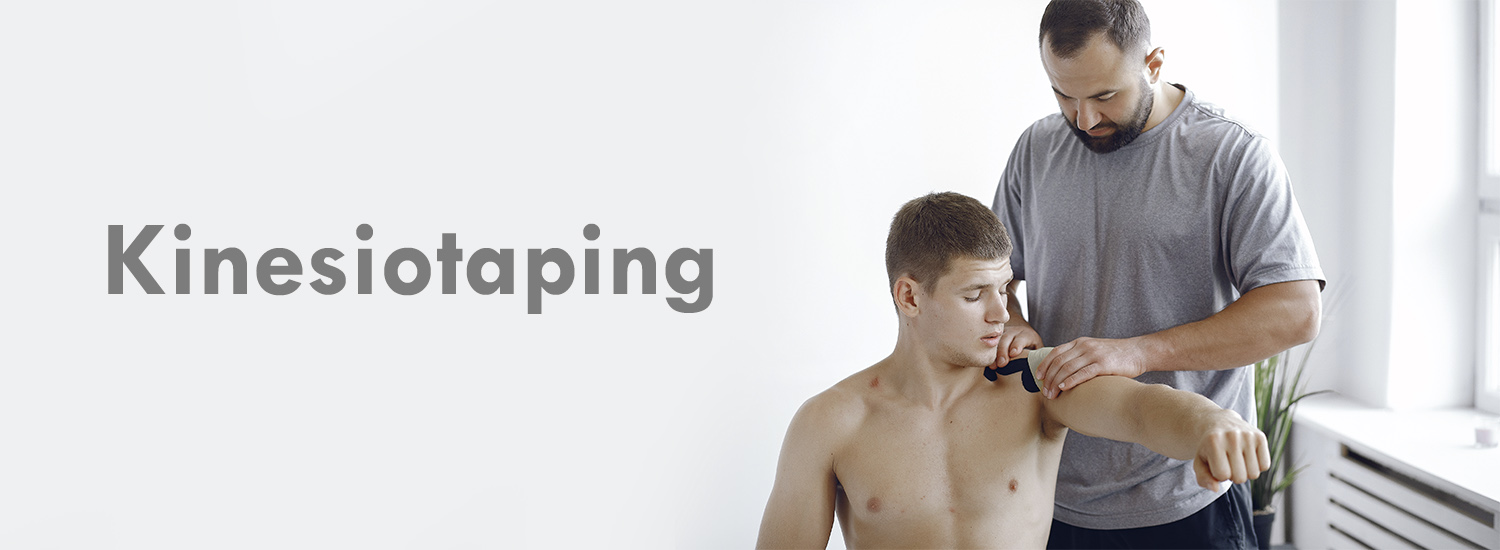
What is kinesiotape and how does it work
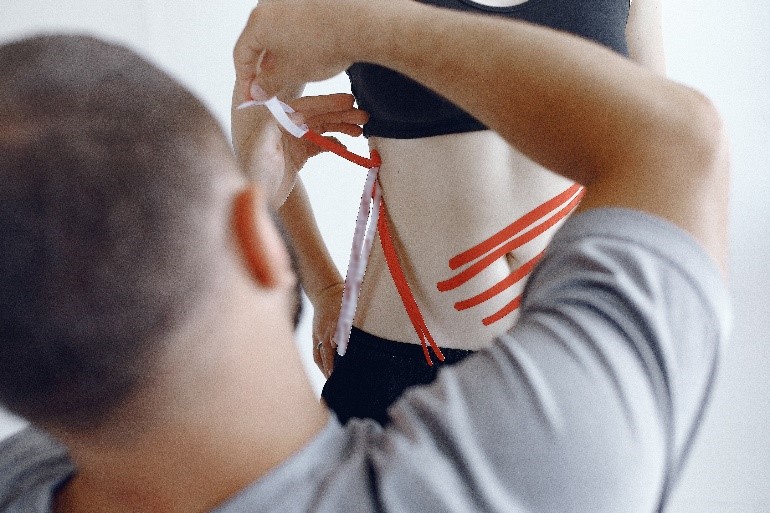
The neuromuscular bandage uses an elastic bandage called kinesiotape that is made with a very high percentage of cotton, polyurethane, and latex-free. The back side is covered with a hypoallergenic adhesive with tiny waves that prevent sweating and ensure proper skin transpiration, thus avoiding moisture accumulation in the area. This adhesion is activated with the heat emitted when rubbing the tape on the skin and ensures that the bandage remains in the area and exerts its effect without moving from its initial position. The great flexibility of the kinesiotape allows it to closely resemble human skin, ensuring a rapid recovery from the injury in a natural way.
For bandages that require long duration, it is advisable to change the kinesiotape every 3-5 days in order to maintain its elastic properties and avoid possible skin irritations. In addition, it is water-resistant and allows quick drying, making it compatible with daily hygiene.
How to apply the kinesiotape
The kinesiotape has different ways of placement depending on the area and the results that you want to obtain, such as in the form of “I”, “Y” and “X”, as well as the star technique, indicated to increase the space in the center of the treated area, the octopus shape, ideal for lymphatic drainage, and, finally, in donut shape, also designed to increase the space, but in this case generically throughout the area.
Different colors of kinesiotape
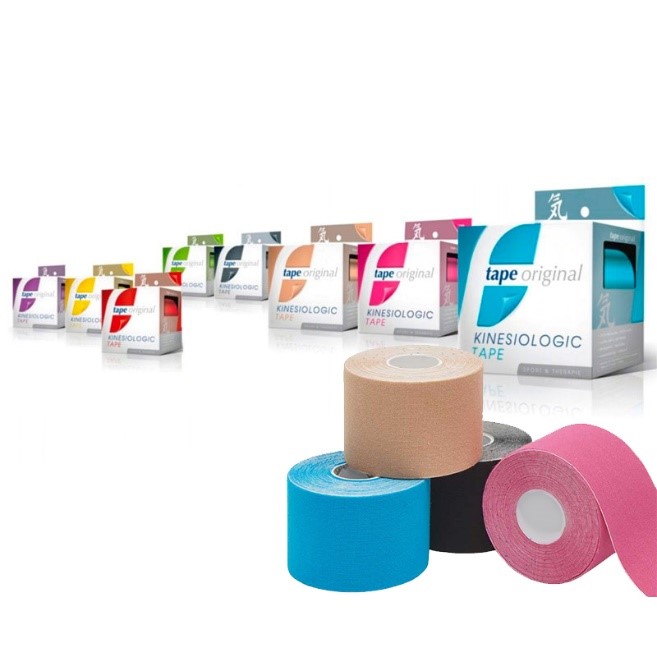
There are no differences in terms of the components of the kinesiotape and its colors, but we find a trend that states that the color of the neuromuscular bandages influences the effect it has on the patient, as in color therapy treatments. The most commonly used colors in kinesiotaping are red, blue, black, and flesh color, and each of them is related to a specific result based on the belief that warm colors provide heat and cold colors disperse it.
At Dh Medical Material, we provide you with a range of neuromuscular bandages in the different mentioned colors, you can obtain them separately or purchase a pack of Kinesiology tapes that includes a tape for kinesiotaping of each color.
Benefits of kinesiotaping

Kinesiotaping is a method that is used to treat a multitude of pathologies due to the great number of benefits it provides as it offers muscle and joint stability and improves muscle contraction and blood circulation.
It can be used to exert a mechanical correction of the joints, preventing pathological movements without limiting the natural movement of the area. It helps correct the position and movement of the muscle fascia while decompressing the muscle tissues and relieving their pain. It is also ideal for expanding the interstitial space, as well as limiting the hyperextension of the musculature.
In cases of rehabilitation from ligament or tendon injuries, kinesiotaping stimulates the joints and helps to decrease the pressure on these types of tissues. In addition, by stimulating the muscles it produces an analgesic effect, also reducing pain or the feeling of fatigue and preventing possible muscle cramps.
What you need for kinesiotaping treatments
At Dh Medical Material, you will find a wide range of kinesiology bandages optimal for performing physiotherapy and muscle rehabilitation treatments based on kinesiotaping. The raw material used for their manufacture is of high quality, so the products we have are the most suitable option if you intend to develop a treatment with all health and safety guarantees.

