


What is cavitation and what benefits does it offer?
Updated: 06/02/2026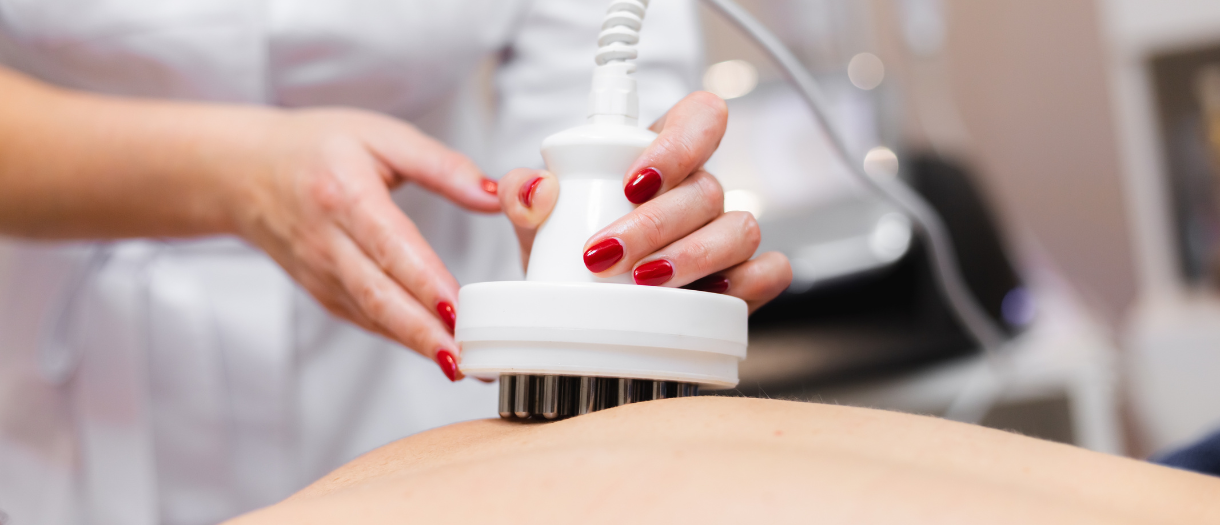
Cavitation has gained increased popularity in recent decades. Its ease, painless application, and multiple benefits have contributed to its recognition as one of the preferred techniques for cellulite treatment. But, what accounts for its success? In this article, we will delve into its definition and principles of action and explore what benefits and contraindications it presents.
Cavitation as an aesthetic intervention
Cavitation is an aesthetic technique used to reduce localized fat without resorting to invasive surgery. Its active principle is based on the stimulation of adipose tissue through low-frequency ultrasounds. By emitting these waves, microbubbles are generated that end up fragmenting fat clusters, destroying adipocytes, and converting them into liquid substances that are metabolized naturally and expelled through the lymphatic or urinary system.
In addition to the metabolic benefits it provides, cavitation improves the appearance of the skin, promoting collagen production and improving its elasticity. It also promotes blood circulation, stimulates local lymphatic flow, and promotes the elimination of toxins. For all these reasons, it is not only useful for fat removal but also for skin toning and cellulite reduction.
What advantages does it offer?
As we have seen, cavitation offers unique advantages compared to other procedures currently available. Among its benefits, they include:
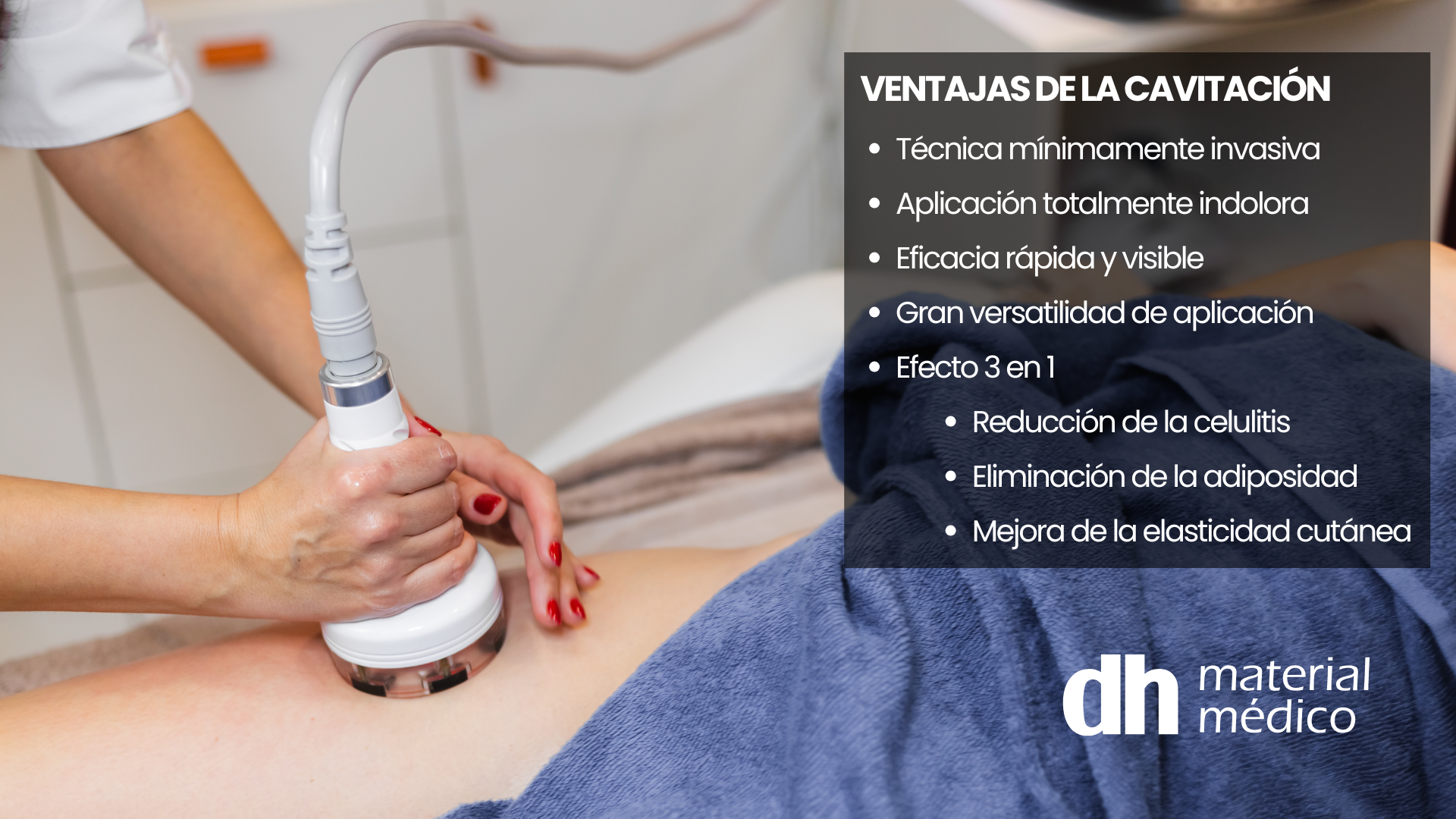
- Minimal invasion: it does not require surgeries or hospital admissions, minimizing the chances of adverse effects and cutting recovery times.
- Painless methodology: its application does not cause pain or discomfort in the patient. The sensation experienced during the session is similar to that of a massage with a slight sensation of heat and vibration.
- Noticeable and fast results: the benefits begin to be appreciated from the first treatment, although several sessions may be required to achieve the desired result. Everything will depend on the characteristics of the case and the demands of the treatment.
- Polivalent effect: a single application of cavitation therapy translates into multiple simultaneous benefits, including improved localized blood flow, destruction of fat clusters, and increased elastin production.
- High versatility: it is a treatment that can safely be performed on any part of the body, whether it's the abdomen, legs, arms, or back.
Health considerations and risks
Although cavitation is a safe and non-invasive technique, certain considerations must be taken into account before subjecting the patient to treatment. Among the groups not indicated for cavitation techniques, they include:
- Pregnant women: since cavitation emits high-intensity ultrasonic waves and can alter blood flow and generate deep heat, its use can alter fetal development. In these cases, it is better to wait until after breastfeeding to undergo any cavitation treatment.
- Patients with pacemakers or other electric implants: low-frequency ultrasounds can interfere with the operation of electrical devices, so they are completely ruled out for patients with implanted equipment.
- People with high levels of cholesterol and triglycerides: cavitation dissolves fat clusters and transports them through the blood for processing until their expulsion. If blood vessels are already oversaturated with high levels of triglycerides or cholesterol, cavitation can end up jeopardizing the patient's health.
- Patients with kidney or liver failure: as fat must be processed by the liver and excreted in the urine, cavitation therapies are completely contraindicated in people suffering from any liver or kidney failure.
- Individuals with damaged skin or ongoing lesions: for obvious reasons, it is not recommended to apply ultrasounds on skins that are sensitive, suffer from dermatological conditions, or have wounds.
The application process
Cavitation treatments are extremely simple and do not require particularly complex procedures. It is enough to follow certain steps and guidelines to achieve an optimal experience for the patient and excellent results:
- Skin preparation: before starting with the intervention, it is important to ensure that the skin has the optimal application conditions. The skin surface must be completely clean, dry, and free of any product not specific for cavitation.
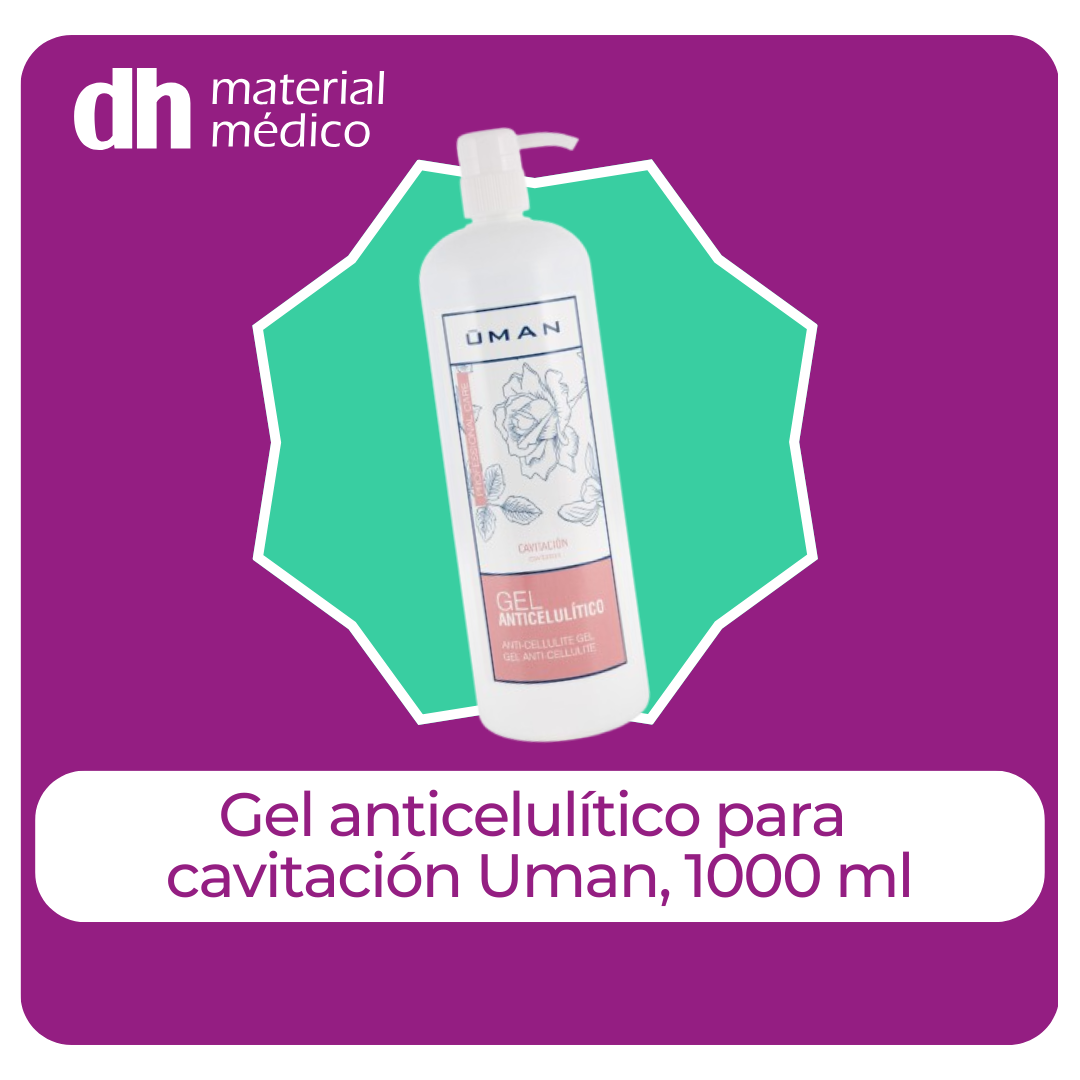
- Application of the conductive gel: to ensure that the procedure is carried out safely, a specific conductive gel should be applied to the area to be treated. At this step, you can choose to incorporate a conductive gel that includes anticellulite or firming active ingredients to enhance the effect of the treatment.
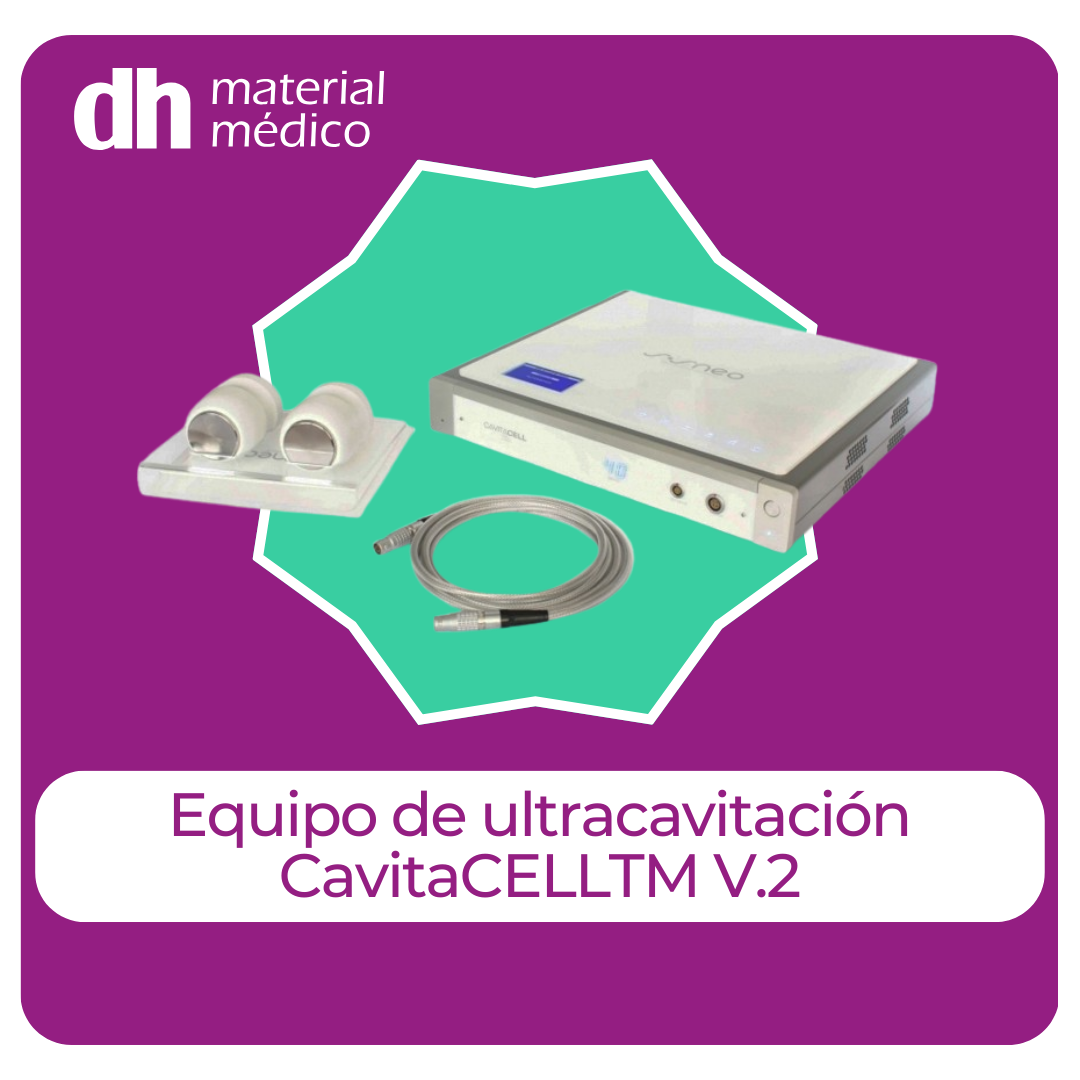
- Startup: before starting with the treatment, it is important to configure the cavitation equipment and choose the heads that best suit the patient's needs. For areas of greater density, like the abdomen, low frequencies (40 kHz) and a larger diameter are recommended; for areas of smaller volume, it is preferable to opt for high frequencies (80 kHz) and smaller diameter heads.
- Application: the head should be placed in the area to be treated and transverse or circular movements should be made, trying not to stop at any point to prevent excessive and uncomfortable heat for the patient. During this step, it is likely that the parameters will have to be adjusted as considered.
- Recovery: after 20-30 minutes, the area should have been treated properly. To promote a quick recovery and accelerate the expulsion process of the adipose particles, manual massages can be performed in the area or pressure therapy equipment can be used. In the following hours, it is recommended to ingest a high amount of water to facilitate the metabolization of fats.
The process should be repeated as many times as the pathology or imperfection to be treated requires, always ensuring to leave a certain margin of days before treating the area again. For areas where fat accumulation is not excessive, a large number of sessions may not be needed; for cases of cellulite or severe adipose accumulation, up to 12 sessions may be required.
Conclusion
As we have seen, cavitation is a safe and effective method for reducing cellulite, decreasing localized fat, and toning the skin. Its multiple benefits and painless nature make it a perfect candidate for professionals who want to offer their patients an effective alternative to conventional aesthetic surgeries.
At DH Medical Material, we have a wide range of products designed for cavitation treatments. Made with high-quality materials and subject to rigorous quality standards, these devices provide exceptional efficiency and unparalleled reliability. Do not hesitate to contact us if you want to acquire a cavitation device for your beauty center or clinic.
Products in this article

Lipozero G150 portable ultracavitation device, 42 programs
1.066,12€(1.290,00€ VAT INCLUDED)
Uman anticellulite gel for cavitation, 1000 ml
22,23€(26,90€ VAT INCLUDED)

Ultracav Touch Mobile Cavitation Device
7.750,00€(9.377,50€ VAT INCLUDED)

12 cm2 head. Ultracav cavitation devices.
1.170,00€(1.415,70€ VAT INCLUDED)


