


Urine collection containers, a hygienic and convenient solution

Urine collection containers are basic tools for any clinical or biological laboratory. Their format and design allow for comfortable and safe collection of samples that will later be analyzed for diagnostic purposes. In this article, we will review the types of containers that can be found today and delve into the advantages offered by each one for sample collection.
Urine collection containers, essential for medical laboratories
As we mentioned earlier, urine collection containers are devices designed to comfortably store and transport urinary samples. They are usually made of plastic - usually polypropylene or polyethylene - because it is an inert material that does not react with urine or alter its composition . In addition, it is safer and more resistant than glass and, in some cases, is able to withstand the disinfectant action of resterilization , allowing reuse without risk of cross-contamination if appropriate disinfection protocols are used.
Although their shape and composition can vary significantly depending on the processing method, there is a common point where all urine pots usually coincide: the cap. Unlike other jars used in areas such as medicine and research, urine pots must necessarily have a cap that guarantees exceptionally airtight sealing to prevent leaks during handling. It is usually a screw cap, although pressure caps or fitted caps can also be common. In addition, they usually have a ribbed surface to ensure optimal grip and easy handling.
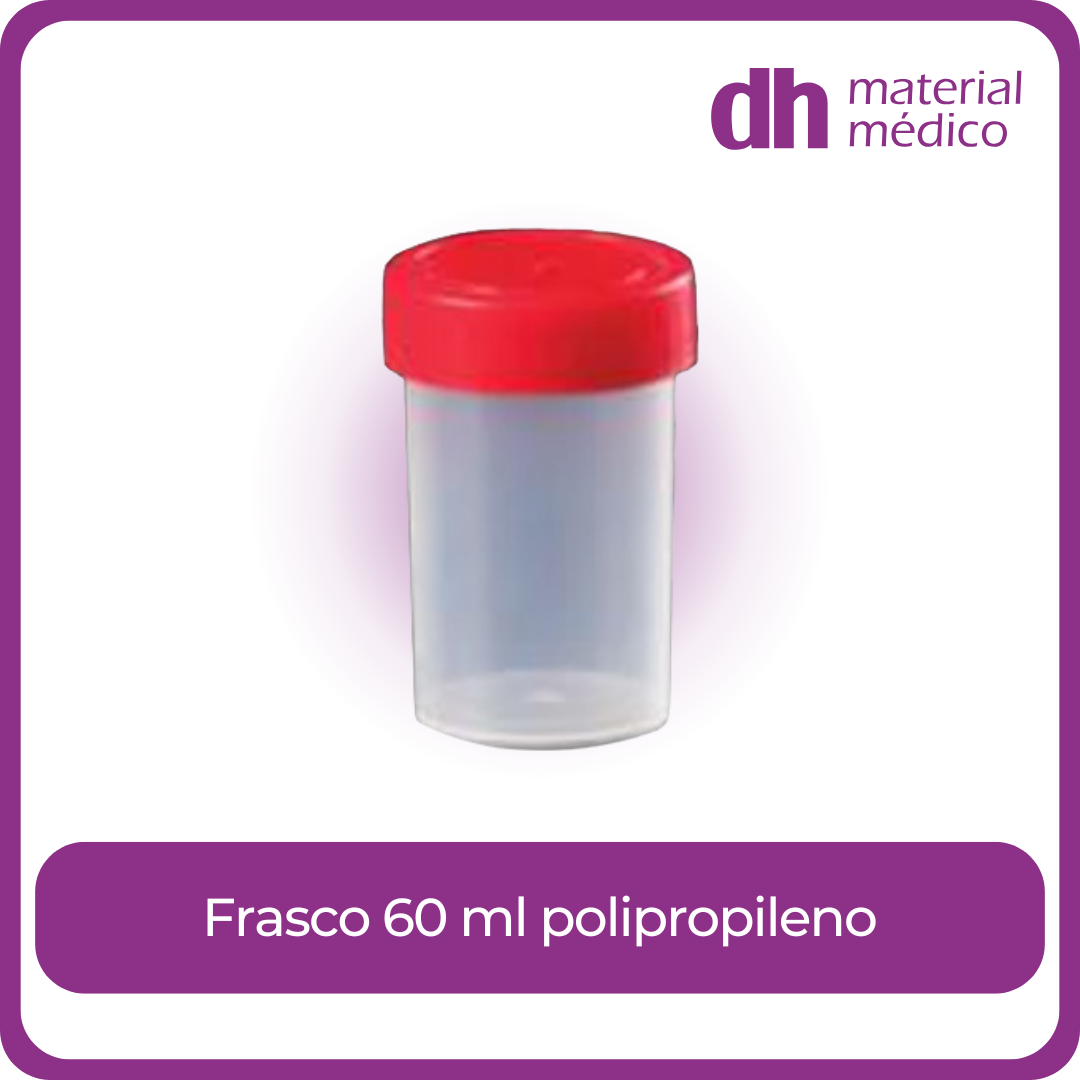
The jars are usually transparent so that their content can be easily inspected and, in some cases, they can be graduated to ensure that the minimum amount required for analysis is stored . On the other hand, the jars may include a matte side band or a adhesive label to write with a marker and facilitate the identification of the sample.
Types of urine collection containers
Urine collection jars can be classified in multiple ways, depending on their appearance, format or state of sterility . Based on these characteristics, the following distinctions can be made:
Types of urine pots according to their shape
Urine collection jars can be grouped according to their visual appearance. In the vast majority of cases, there is a direct correlation between shape and purpose, as we will see later:
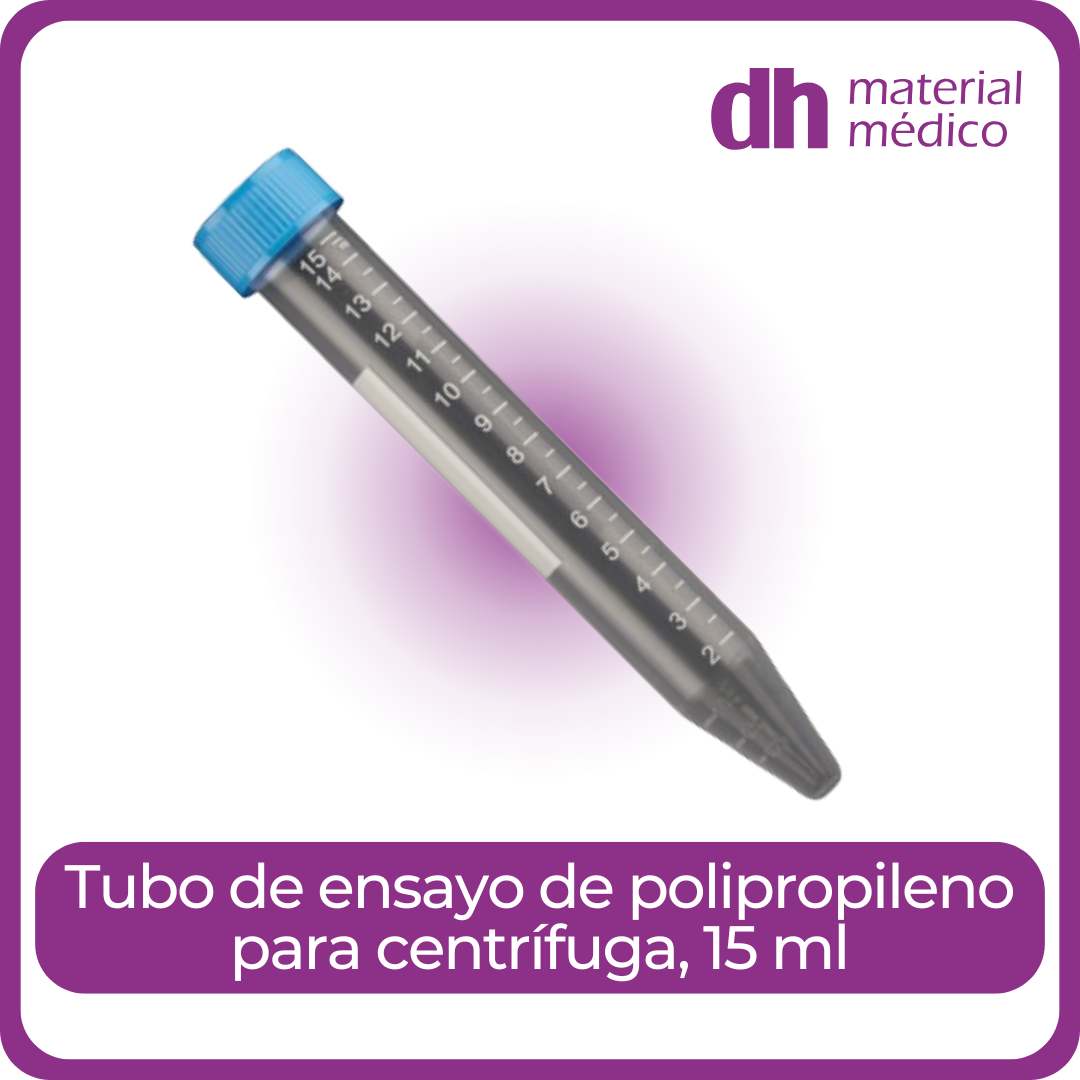
- Tubes: similar to blood extraction vials, many come graduated to facilitate the control of the stored liquid . Although the most common are straight, they can also be found with the conical tip or semispherical to facilitate their insertion in the centrifuge in processes where the urine sediments must be separated.
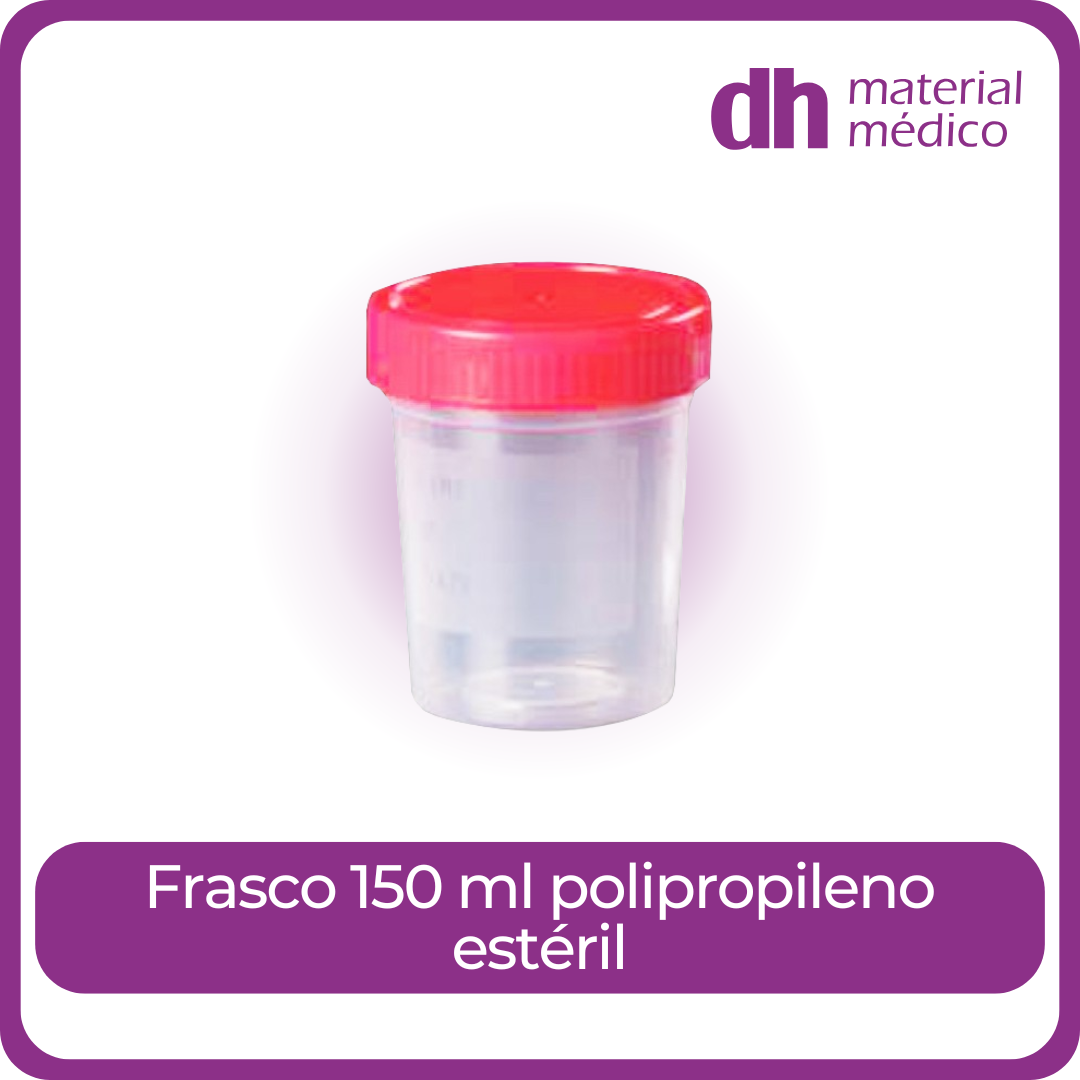
- Wide cylindrical containers: cylindrical sample collection pots have a noticeably wider diameter design compared to tubes. They are usually perfect for collecting larger amounts of fluids, so, in addition to being used for urine analysis, they can also be used in the collection of feces.
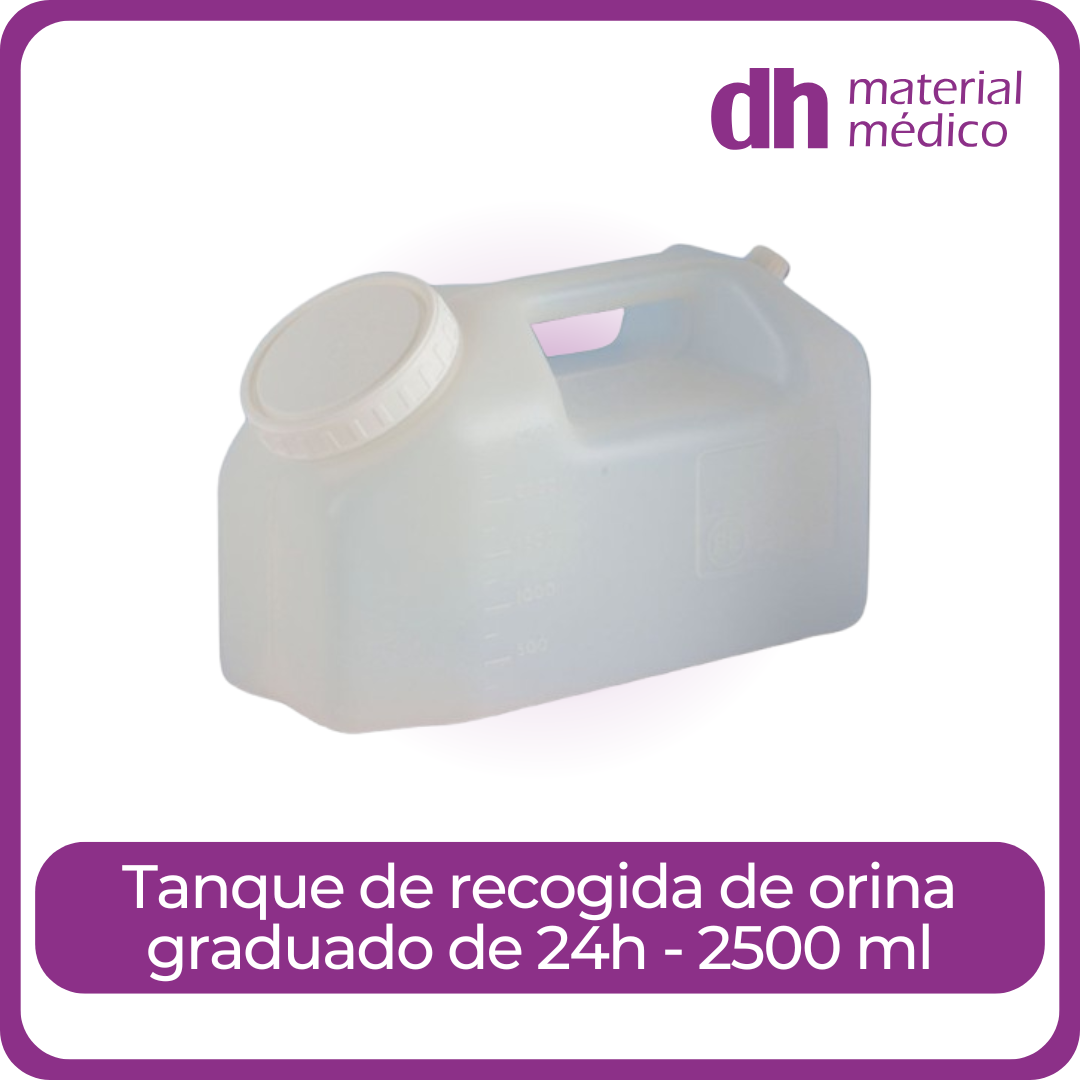
- Tanks, jars or deposits: larger than the rest of the pots, they have a higher capacity , being able to even reach five liters of total volume. Some are supplied with ergonomic grips to facilitate their hold during sample collection. They are usually indicated for tests in which high volumes of urine must be analyzed , such as in full-day analysis.
Types of urine pots according to their sterility
Depending on their degree of sterility, sample collection pots can also be:
- Sterile: sterile urine collection pots are supplied individually packaged and are ideal for cases where microbiological cultures must be performed. Having been deprived of any pathogen, they prevent cross-contamination that could alter the results after examining the fluids , ensuring greater safety and precision. The most commonly used methods for sterilization are usually gamma radiation, the autoclave cycle or vaporization with ethylene oxide, although some manufacturers also prefer to use other methods such as the electron beam.
- Non-sterile : indicated for when sterility is not decisive in the result of the analysis , such as in cases of routine exams or research of the chemical composition of the fluid. They are usually the most used for urine analysis that do not require microbiological cultures.
Advantages of urine collection containers
As we have seen, urine collection jars play an essential role in the day-to-day of any clinical or biological laboratory. Despite their apparent simplicity, they play a fundamental role in the medical field and offer unique advantages compared to other methods of sample collection:
- Easy to use: their intuitive design allows them to be used comfortably in any environment , allowing even an inexperienced user like the patient to collect samples of their biological fluids in the comfort of their home.
- High security: despite their apparent simplicity, urine collection jars are designed to close hermetically and prevent leaks, making them an effective and safe solution for processing biological samples.
- Great versatility: the current market offers a wide range of options adapted to the demands of each hospital center and each clinical case, resulting in greater versatility.
- Reduced price: unlike other medical equipment, urine collection jars are extremely economical , cutting material costs that can be allocated to other aspects. In addition, many are disposable, which allows to skip washing processes that can increase the costs of each analysis process.
For more information
At DH Medical Material, we have been advising and supplying clinics and hospitals with the highest quality healthcare products for over 30 years. Do not hesitate to contact us if you want to obtain more information about the types of existing urine pots or if you are considering acquiring medical material for your consultation .
Products in this article

Sterile polypropylene test tube for centrifuge, 50ml. Box of 500 units.
131,00€(158,51€ VAT INCLUDED)
60 ml polypropylene bottle
0,24€(0,29€ VAT INCLUDED)
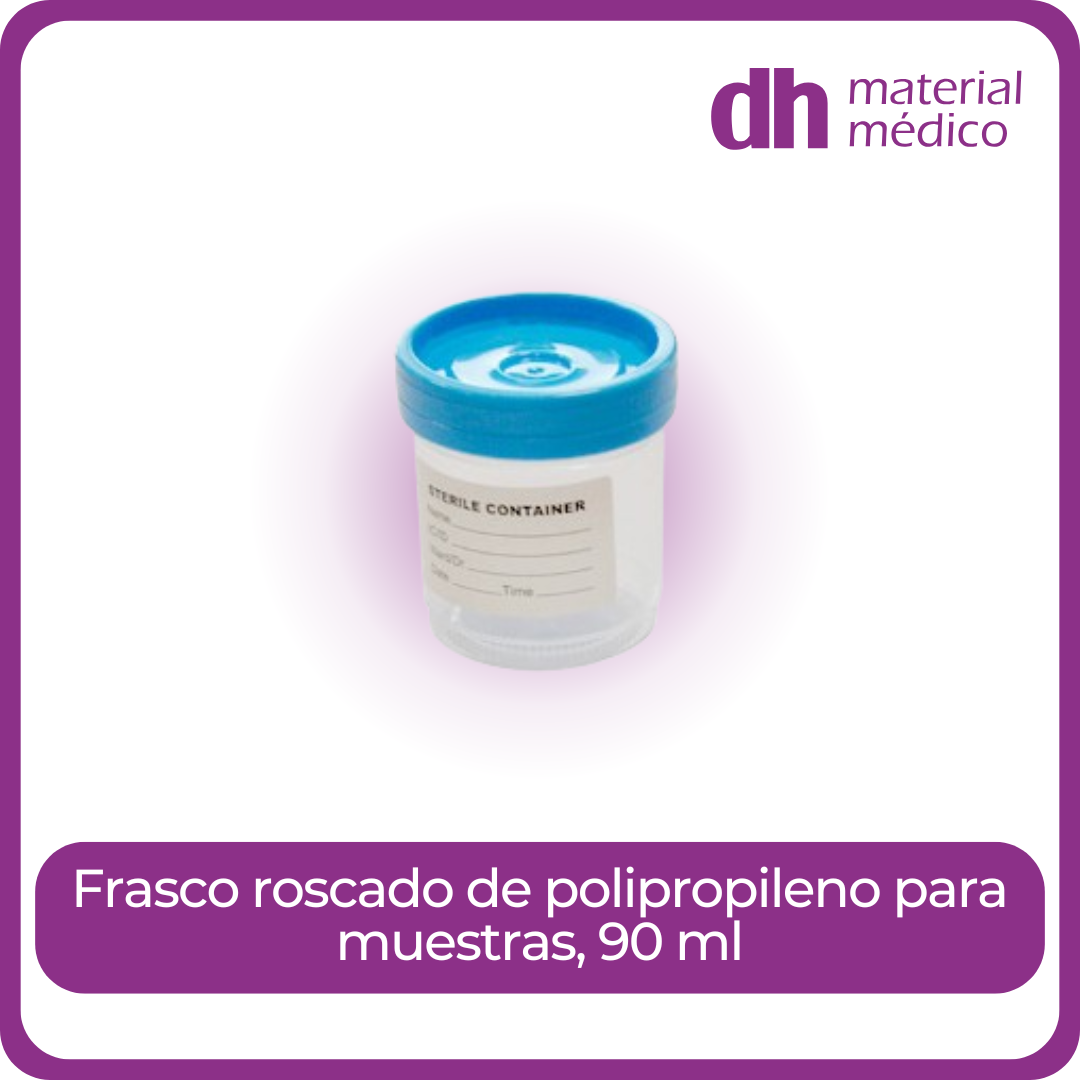
Polypropylene screw-top sample jar, 90 mL, box of 400 units.
89,10€(107,81€ VAT INCLUDED)
150 ml sterile polypropylene jar
0,25€(0,30€ VAT INCLUDED)
24h graduated urine collection tank - 2500 ml
2,40€(2,90€ VAT INCLUDED)
Polypropylene test tube for centrifuge, 15ml
(1700 units)332,00€(401,72€ VAT INCLUDED)
Graduated and sterile urine collection cup, 120 ml
0,39€(0,47€ VAT INCLUDED)
60ml (38 x 65mm) polypropylene jar, sterile A
0,21€(0,25€ VAT INCLUDED)


