


The importance of air purification in medical environments
Updated: 17/01/2025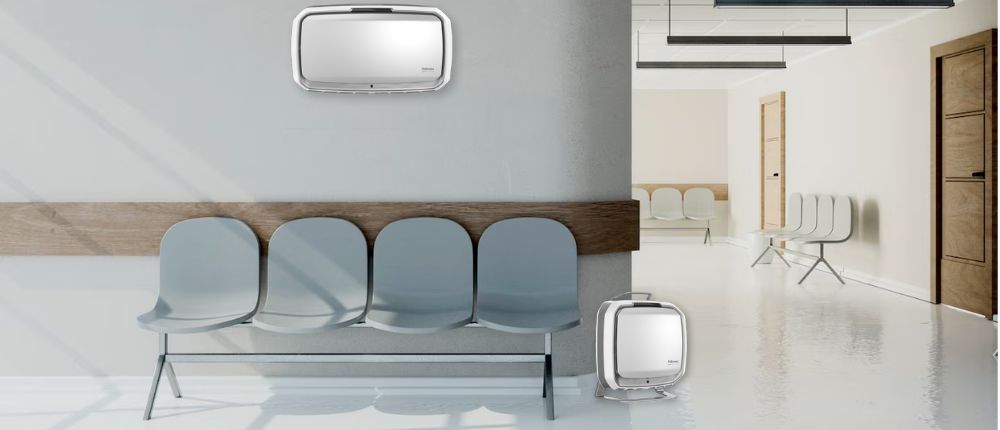
Air purification in medical settings is a vitally important topic that has become even more relevant in recent years. Hospitals, clinics, and health centers are places where the quality of the air plays a crucial role in the health and recovery of patients, as well as in protecting healthcare staff. In this article, we will explore in depth why air purification is so important in these environments, how purification systems work, and what benefits they provide.
The quality of air in medical environments
The air we breathe indoors can contain a wide variety of pollutants, including viruses, bacteria, mold, fungal spores, dust, and chemical contaminants. In healthcare settings, these pollutants can pose a significant risk to the health of patients, staff, and visitors. Patients, especially those with compromised immune systems, are particularly vulnerable to airborne infections.Indoor air quality in hospitals and clinics is often worse than the outdoors due to lack of adequate ventilation. This is because modern buildings are designed to be airtight for energy efficiency reasons, which can lead to the accumulation of contaminants in the indoor air. In addition, medical centers use a variety of chemicals for cleaning and sterilization, which can release volatile organic compounds (VOCs) and other harmful substances into the air.
The importance of air purification
Air purification in medical settings is crucial for several reasons:
1. Infection control: Air purifiers help reduce the spread of airborne pathogens such as bacteria and viruses. This is especially important for preventing hospital-acquired infections (HAIs), which can occur when patients are exposed to infectious agents within the healthcare environment.
2. Protection of vulnerable patients: Hospitals cater to patients with weakened immune systems, like those undergoing chemotherapy or organ transplants. Clean air helps protect these patients from potentially deadly infections.
3. Reduction of allergens and asthma triggers: Air purifiers can remove common allergens such as pollen, dust, and pet dander from the air. This benefits both patients and healthcare workers who may suffer from allergies or asthma.
4. Elimination of odors and harmful chemicals: Air purifiers with activated carbon filters can help eliminate the chemicals used in cleaning and sterilization, improving indoor air quality and reducing unpleasant odors.
5. Improvement of indoor air quality (IAQ): Good indoor air quality is crucial in healthcare settings, as poor air quality can exacerbate health problems, affect the recovery process and decrease the overall well-being of patients and staff.
6. Regulatory compliance: Healthcare facilities are subject to strict standards and guidelines regarding air quality and infection control. The use of air purifiers helps facilities comply with these standards.
How air purifiers work
Air purifiers are devices designed to remove contaminants from the air in a given space. They work by drawing air through one or more filters, which capture contaminating particles and then release cleaner air back into the environment.
The most effective air purifiers in medical settings use HEPA (High Efficiency Particulate Air) filters. These filters are capable of capturing particles up to 0.3 microns with 99.97% efficiency, which means they can trap most bacteria, viruses, pollen, dust, and other allergens present in the air.
In addition to HEPA filters, many modern air purifiers incorporate additional technologies to enhance their effectiveness:
1. Ultraviolet light (UV). Some purifiers use UV light to kill bacteria and viruses trapped in the filter.
2. Ionization. This technology electrically charges particles in the air, making them easier to capture by the filter.
3. Activated carbon filters. These filters are especially effective at removing odors and volatile organic compounds.
DH Medical Material Air Purifiers
DH Medical Material offers a range of air purifiers specifically designed for medical environments. These devices incorporate advanced technology to ensure maximum effectiveness in air purification. Let's look at some examples:
1. Air purifier AeraMax SV: This model combines an H13 HEPA filter with AeraSmartTM sensor for highly efficient air purification. The H13 HEPA filter can capture particles up to 0.1 microns, including viruses and bacteria. The AeraSmartTM sensor automatically adjusts the fan speed to maintain purified air at all times.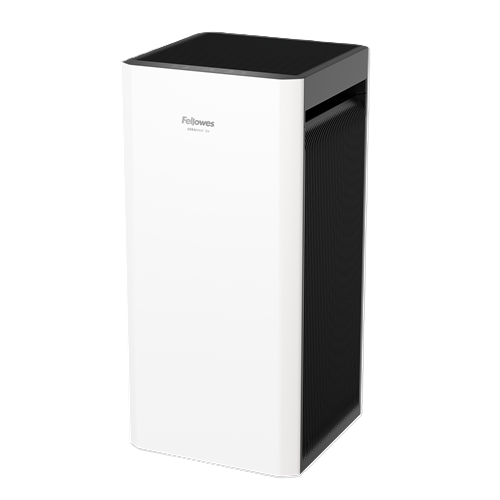
2. Air purifier with ionizer: This purifier uses ionization technology in addition to a HEPA filter. The ionizer generates negative ions that adhere to the particles in the air, making them heavier and easier to capture by the filter. This model is especially effective at removing fine particles such as smoke and pollen in highly crowded environments.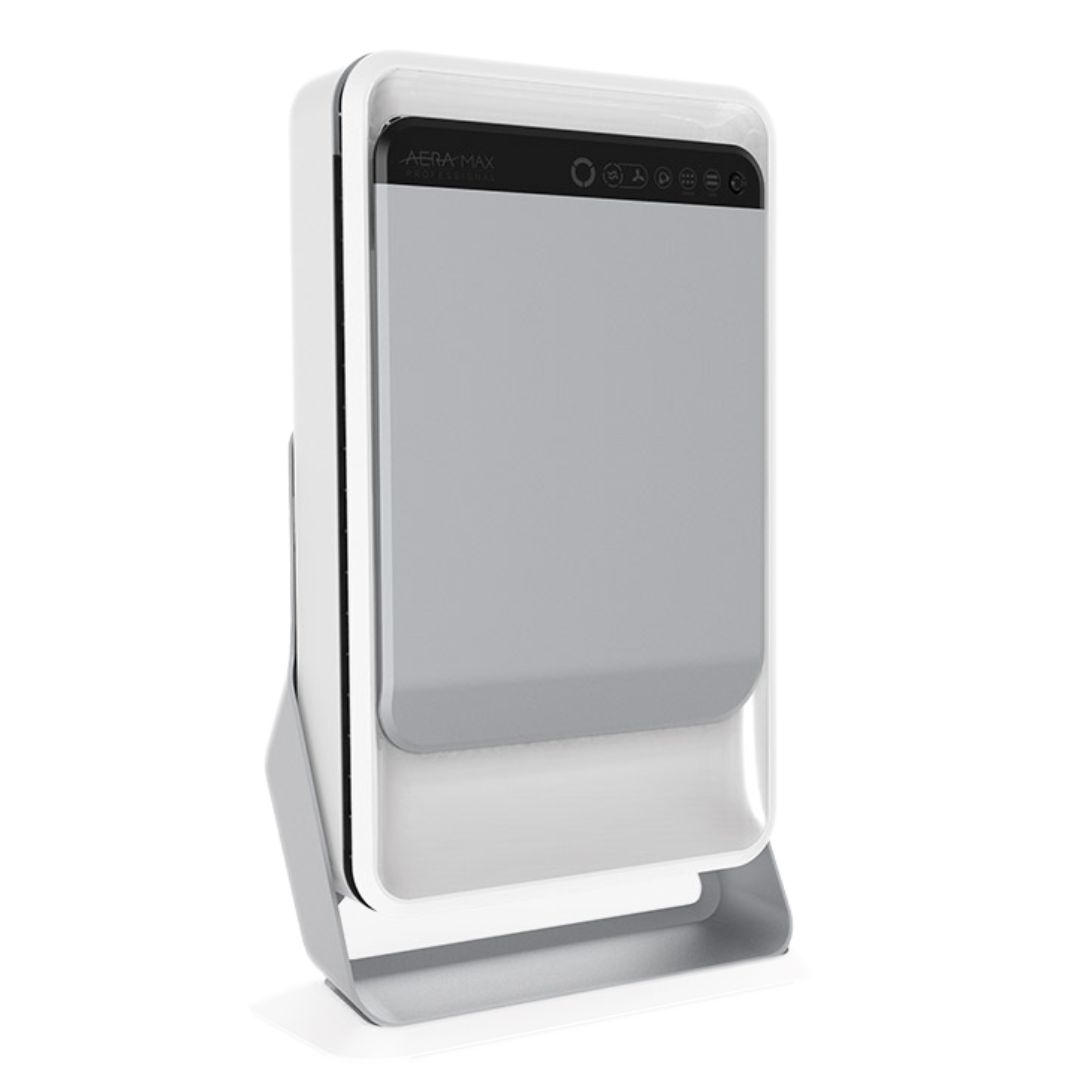
3. Air purifier with activated carbon filter: In addition to a HEPA filter, which captures 99.97% of the particles present in the air, this model incorporates an activated carbon filter. This additional filter is particularly effective at removing odors and volatile organic compounds, making it ideal for areas such as operating rooms or laboratories where chemicals are used.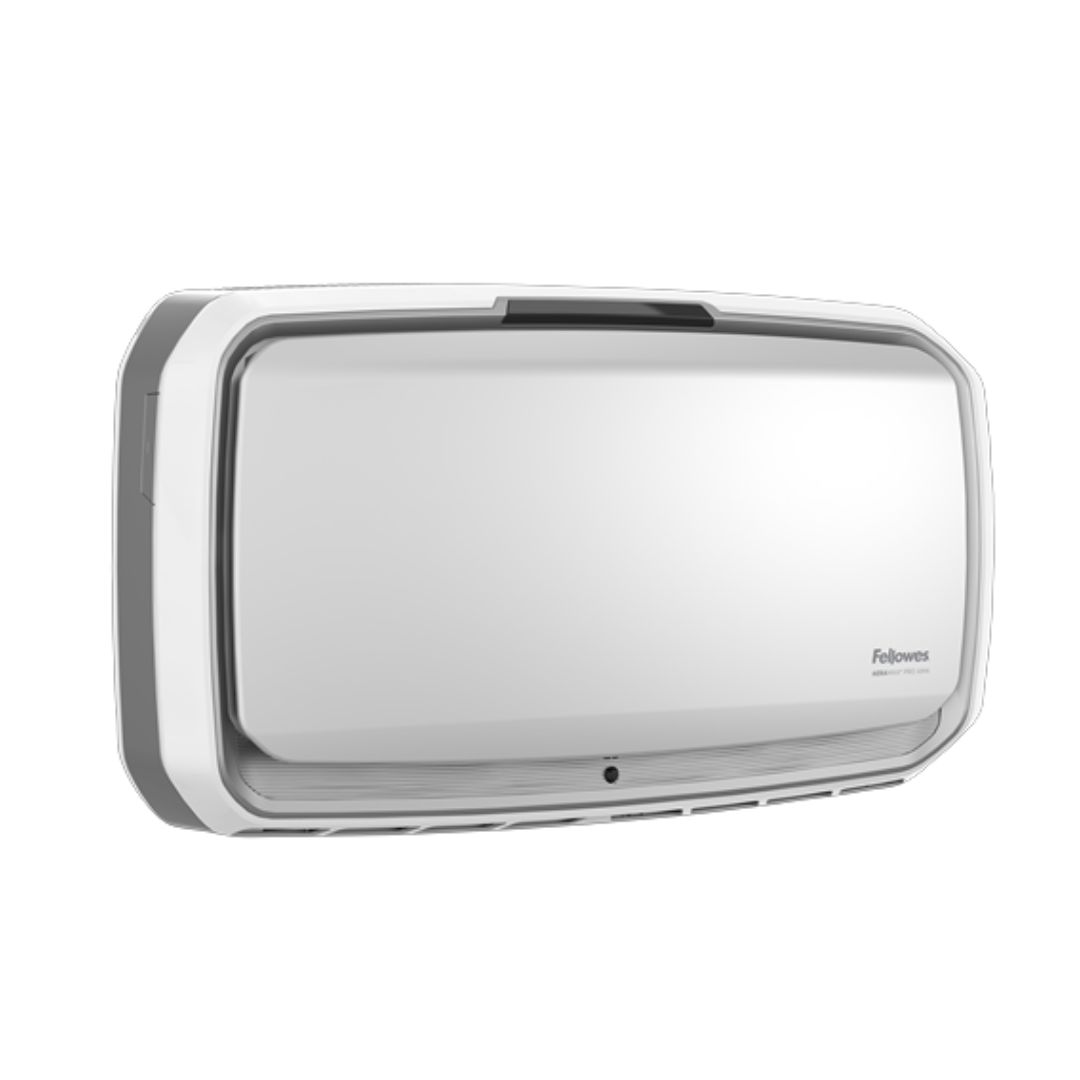
These air purifiers are designed to operate continuously, constantly recirculating the room's air through their filters. Most models offer different operating speeds, allowing for the level of purification to be adjusted according to the specific needs of the environment.
Considerations for implementation
When implementing air purifiers in medical settings, several factors should be considered:
1. Size of the space: The purifier should be suitable for the size of the room in which it will be used. Manufacturers usually provide recommendations on the maximum size of the room for each model.
2. Air change rate: In medical settings, a high air change rate is recommended, so the purifiers used should be capable of processing the total volume of air in the room several times per hour.
3. Noise level: Since purifiers will operate continuously, it is important to choose models with acceptable noise levels, especially for areas where patients rest.
4. Maintenance: Filters should be replaced regularly to maintain the purifier's effectiveness. It is important to consider the ease of maintenance and the cost of replacement filters.
5. Additional features: Some useful features may include air quality indicators, automatic modes that adjust the fan speed according to air quality, and remote controls for easy adjustment.
In conclusion, air purification is a critical aspect in managing health and safety in medical settings. Air purifiers, especially those with HEPA filters and additional technologies like UV light and ionization, can play a crucial role in reducing infections, protecting vulnerable patients, and creating a healthier environment for all. By choosing and implementing air purifiers, medical centers can significantly improve indoor air quality, thus contributing to better health outcomes in a safer environment for patients and staff alike.

