


Telemedicine and portable equipment: How technology is revolutionizing home care
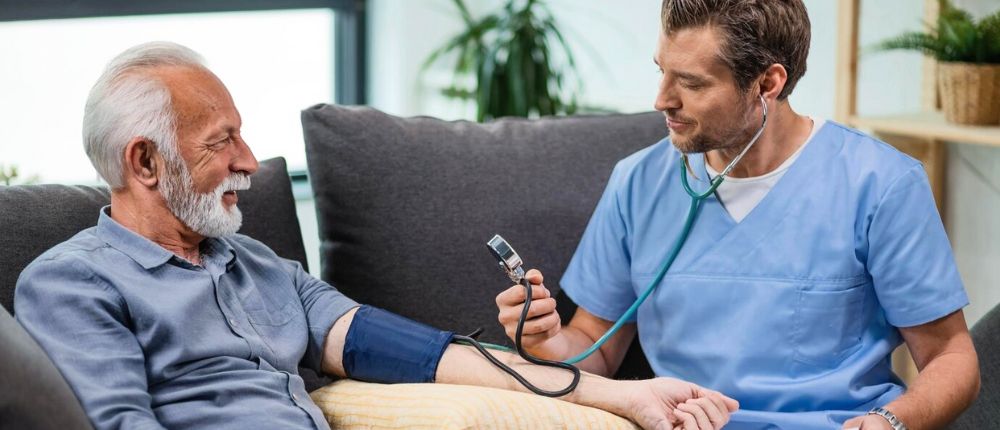
Telemedicine and portable medical equipment are radically transforming the way health care is provided, especially in the home setting. This technological revolution is enabling high-quality medical services to be brought directly to patients' homes, improving accessibility and efficiency of health care.
The rise of telemedicine
Telemedicine has experienced exponential growth in recent years, largely driven by the COVID-19 pandemic. This form of remote medical care uses information and communication technologies to provide remote health services, overcoming geographical and temporal barriers. Modern telemedicine systems integrate connected devices, analysis based on artificial intelligence (AI) and continuous patient monitoring, enabling more personalized and effective care.
One of the main advantages of telemedicine is its ability to improve access to medical care in rural or underserved areas, as well as for patients with reduced mobility or health conditions that make travel difficult. In addition, telemedicine facilitates access to medical specialists who might otherwise be out of reach for many patients.
Portable equipment: The key to home care
The development of portable medical equipment has been crucial for the advancement of telemedicine and home care. These devices allow health professionals to perform accurate examinations and diagnoses outside the hospital environment, bringing medical care directly to the patient's home.
Portable ultrasound machines: Imaging diagnosis anywhere
Portable ultrasound machines represent a significant advance in imaging diagnosis. The SonoEye series, developed by CHISON Medical Technologies, offers ultra-light and durable devices that can be used in various clinical settings. These ultrasounds, which weigh less than a typical mobile phone, meet military-grade standards and are water-resistant (IPX67), making them ideal for use in home care.
The flexible connectivity of these ultrasounds allows easy connection to smartphones and tablets, facilitating examinations at the patient's point of care. Their intuitive interface, designed to be operated with a single finger, simplifies their use and reduces the learning curve for healthcare professionals.
Multiparametric monitors: Comprehensive control of vital signs
Portable multiparametric monitors are essential for the continuous monitoring of patients' vital signs in the home environment. The CMS8000 multiparametric monitor, available from DH Medical Material, is an example of this type of devices. These monitors allow simultaneous control of several vital parameters, such as the electrocardiogram (ECG), non-invasive blood pressure (NIBP), oxygen saturation, and body temperature.
The portability of these monitors makes them ideal for home care, as they can be easily transported. Additionally, their ability to store and transmit data allows health professionals to remotely monitor and make informed decisions about patient treatment.
Autonomous portable sinks: Hygiene anywhere
Hygiene is a crucial aspect in health care, and the autonomous portable sink LPA-400 offers an innovative solution for environments without access to running water or drainage. This device, made of AISI 304 stainless steel, has a compact design (400 x 400 x 850 mm) that includes a tissue dispenser, a built-in soap dispenser, and an integrated trash can.
Its portability, facilitated by wheels and a handle on the back, makes it ideal for use in home care, especially in situations where hand hygiene is critical. This type of equipment demonstrates how innovation in seemingly simple devices can have a significant impact on the quality of home health care.
Telemedicine kits: Complete remote medical consultations
Telemedicine kits are sets of devices specifically designed to facilitate complete remote medical consultations. These kits usually include devices for measuring vital signs (such as digital thermometers, pulse oximeters and blood pressure monitors) and instruments for visual and auditory evaluation (such as otoscopes and ophthalmoscopes).
This type of systems are especially useful in situations that require a quick and flexible medical response, such as home health care or in remote areas.
Impact on home care
The combination of telemedicine and portable equipment is transforming home care in several significant ways:
1. Improved accessibility: Patients who have difficulties traveling to medical centers, either due to their geographical location or physical limitations, can receive quality medical care in their own homes.
2. Continuous monitoring: Portable devices allow constant monitoring of vital signs and other health parameters, facilitating early detection of problems and timely intervention.
3. Cost reduction: By reducing the need for hospitalizations and frequent visits to medical centers, home care supported by telemedicine can significantly reduce health care costs.
4. Patient empowerment: Patients become more active in managing their health, having direct access to their medical data and more fluid communication with health professionals.
5. Improved quality of life: Home care allows patients to receive treatment in a familiar and comfortable environment, which can have a positive impact on their emotional well-being and recovery.
Challenges and future considerations
Despite the numerous benefits, the widespread implementation of telemedicine and portable equipment in home care faces several challenges:
1. Digital divide: Not all patients have access to adequate devices or internet connections to fully participate in telemedicine.
2. Data privacy and security: The transmission of sensitive medical information requires robust security measures to protect patients' privacy.
3. Training of healthcare personnel: Health professionals need specific training to effectively use new technologies and portable equipment.
4. Technological limitations: Some medical procedures still require more sophisticated equipment that cannot be easily miniaturized for home use.
Conclusion
Telemedicine and portable medical equipment are revolutionizing home care, offering new possibilities for providing high-quality medical care outside the traditional hospital setting. From portable ultrasounds to complete telemedicine kits, these technological advances are improving the accessibility, efficiency and quality of health care.
As technology continues to evolve, we are likely to see even greater integration of AI, IoT and portable devices in home care. This promises a future where personalized, high-quality medical care will be within reach of more people, regardless of their geographical location or mobility.
However, to fully exploit the potential of these technologies, it will be necessary to address existing challenges, such as the digital divide and concerns about data privacy. With the continued commitment of health professionals and technology developers, telemedicine and portable equipment will continue to transform and improve home care in the coming years.

