


Surgical scissors: types and uses
Updated: 13/05/2026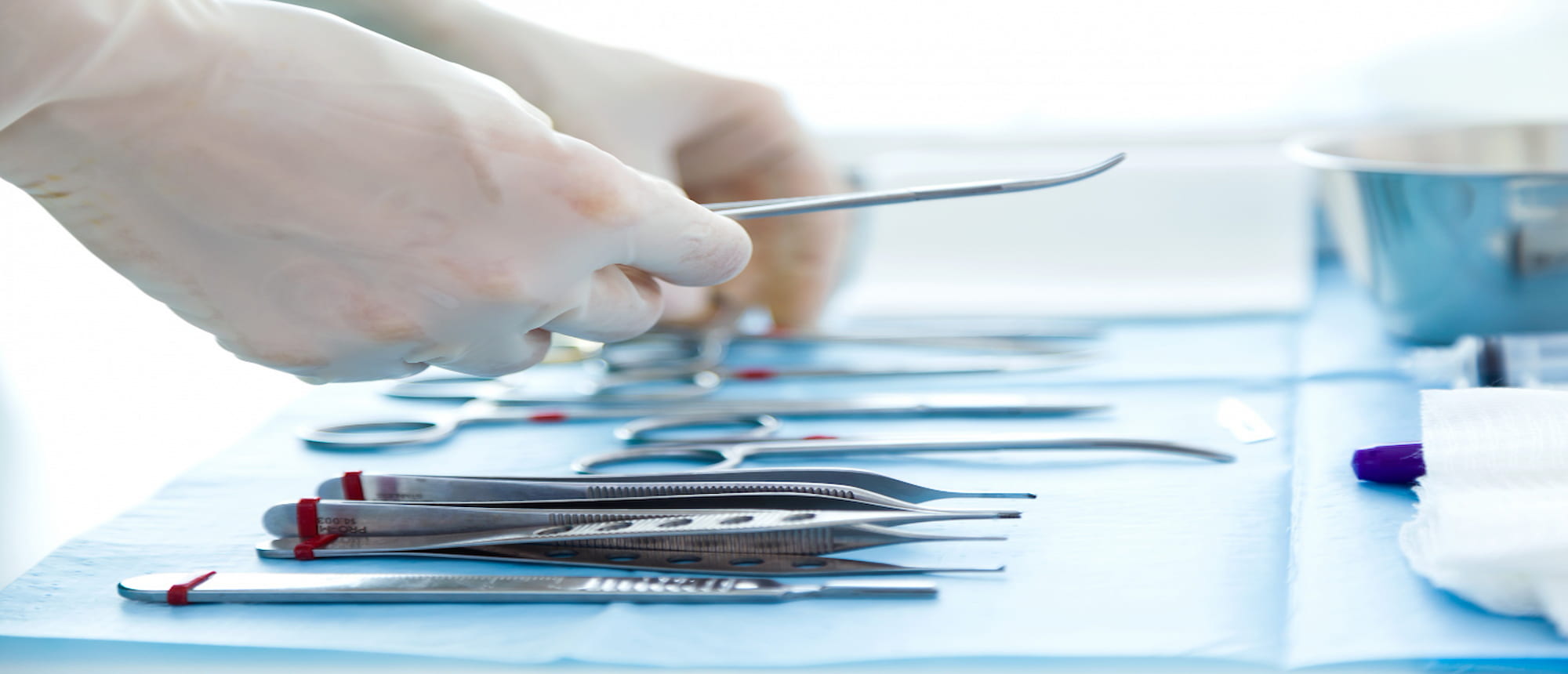
In the medical field, surgical scissors play a crucial role in performing precise and delicate cuts during various procedures. In this article, we will explore the different types of surgical scissors, learn about their distinctive features, and explore the applications each one has in the medical field.
Mayo Scissors
Straight-bladed Mayo scissors are used to section tissues near the surface of a wound and resect medium-density tissue masses, such as tendons, muscles, or fascias. They are usually made of stainless steel or titanium and must have a polished finish to ensure optimal cutting. They are very useful for general surgeries, trichotomy interventions, and suture removals, which has led them to be known as "suture scissors".
On the other hand, there are also curved-bladed Mayo scissors, which are also used to section tissues during surgery and are usually made of titanium or stainless steel. The peculiarity of their design lies in the curved tip they have, which allows easier access to natural cavities and surgical wounds, making them perfect candidates for highly invasive operations. They are often used to cut fibers and dense tissue masses, such as internal organs, muscles, and connective tissues.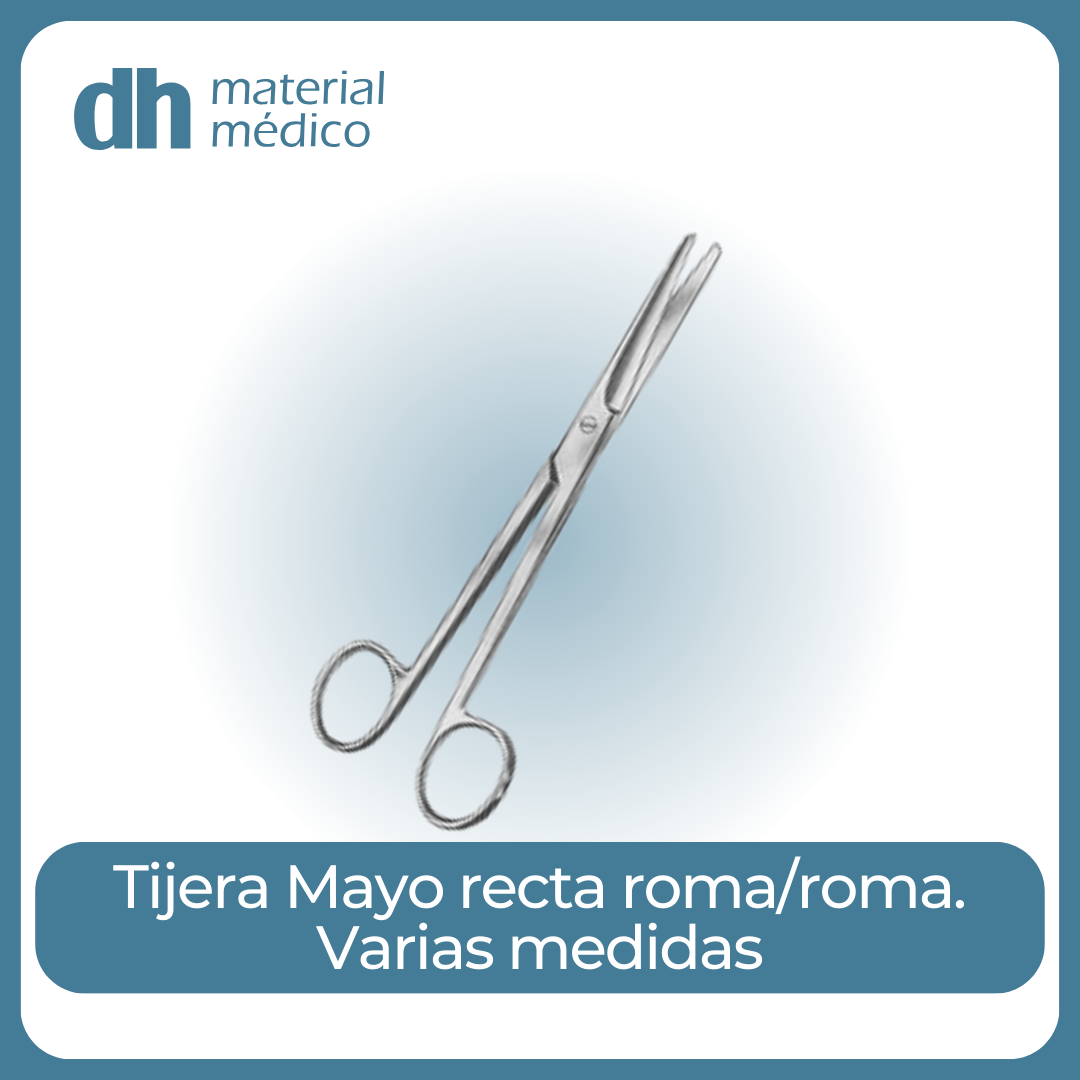
Metzenbaum Scissors
Metzenbaum scissors are another common and indispensable surgical tool. Designed to resect delicate tissues and perform thick dissections, they ensure a clean cut and a precise result. They are usually made of stainless steel and, in some cases, may feature tungsten carbide cutting reinforcements to ensure maximum sectioning capacity. They have both straight and curved blades, and although there are versions with sharp jaws, it is more common for them to be blunt to avoid puncturing or damaging healthy tissues adjacent to the surgical wound.
Their cut is perfect for delicate procedures, especially for complex interventions, hard-to-reach operations, or surgeries where there is a smaller cutting surface; therefore, they are widely used in surgeries involving organs or vessels.
Iris Scissors
Iris scissors are named after their original purpose, which was the sectioning of iris masses in iridectomy operations. For this, they had to be made small in size and with exceptionally sharp points, ensuring highly precise cuts in extremely delicate tissues. Over time, their use extended beyond ophthalmology and gained popularity in disciplines such as plastic surgery, dentistry, neurosurgery, and microscopic surgery. Today, they are basic equipment in many modern surgery kits for their versatility, precision, and practicality.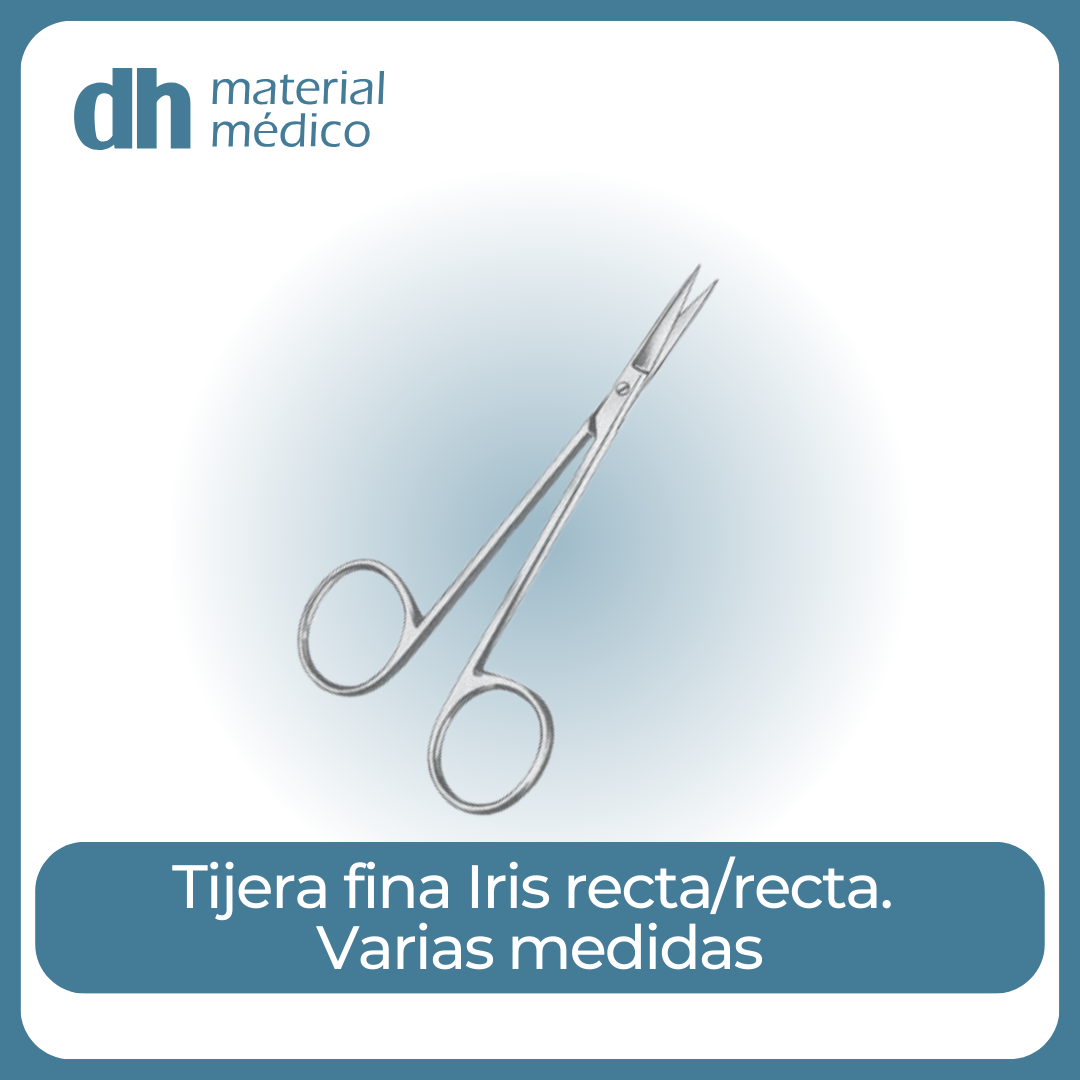
Tenotomy Scissors
Called so because they are used in the sectioning of tendons, tenotomy scissors are characterized by having sharp, fine, and narrow points. Their blades allow the dissection of tissue masses with utmost precision, even the most delicate ones, so they are often also used in plastic surgery, eye surgery, and neurosurgery.
The best-known model is the Stevens scissors, which have a long body and a delicate shank to ensure a precise cut without damaging the adjacent tissues. They are usually made of stainless steel to be resterilized after surgery and, although not usual, there are professionals who choose to use them to remove small sutures from the patient's body.
Also widely used are the Westcott scissors, highly coveted in the field of surgery because of their small size and their tweezer-like handle design. This combination of features allows for the sectioning of delicate tissues with minimal effort, proving very useful in ophthalmology procedures and microsurgery.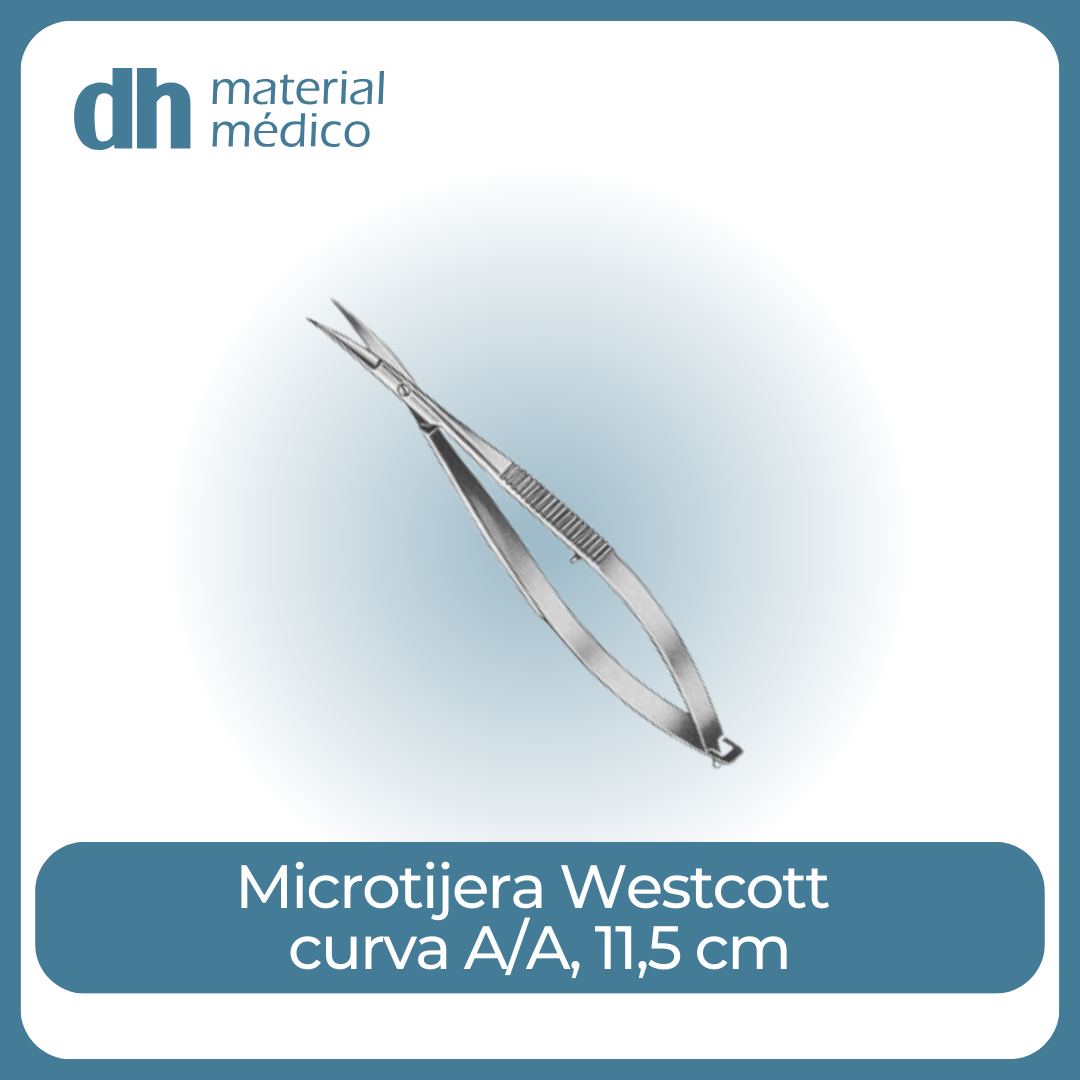
Bandage Scissors
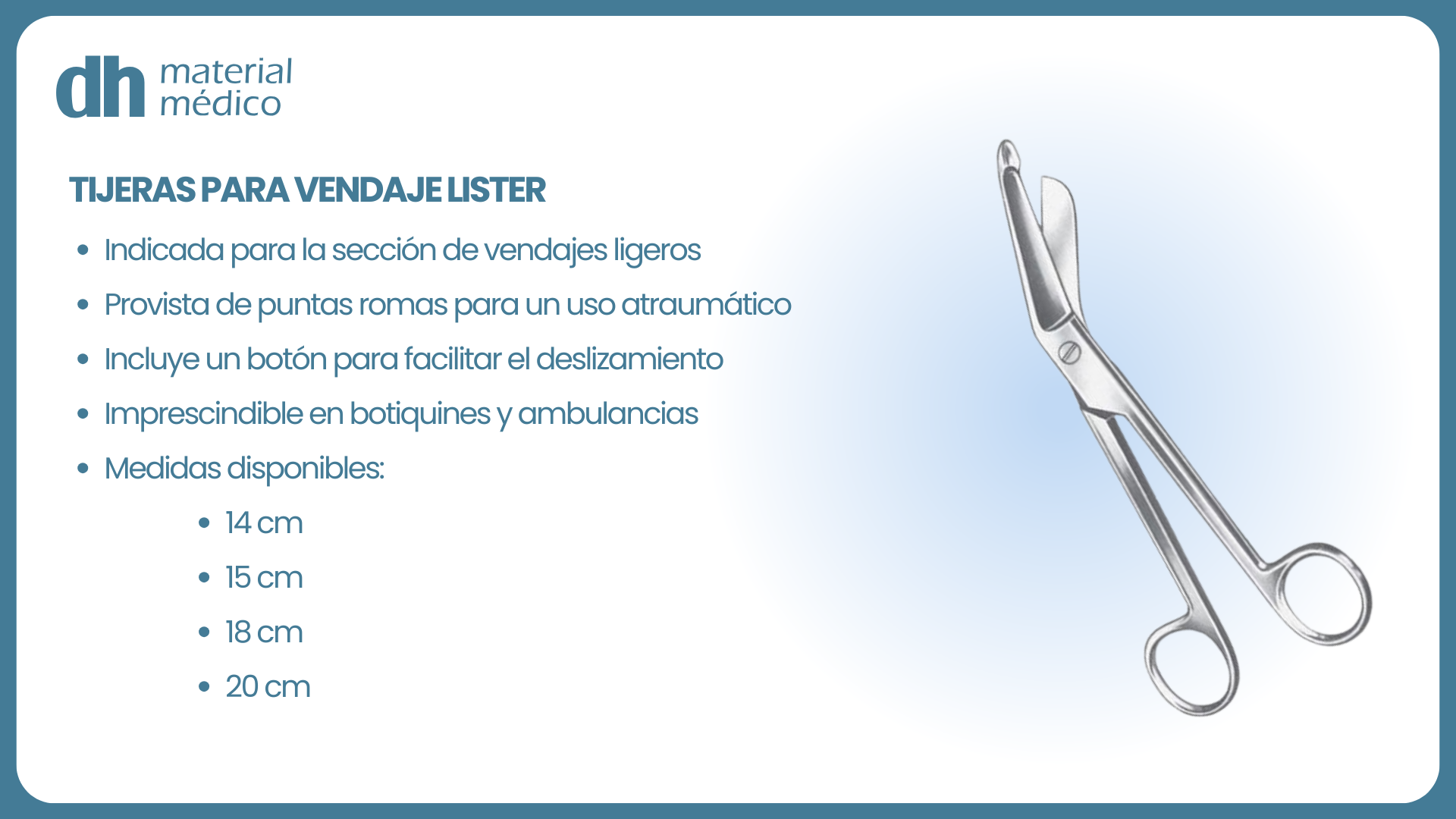
As their name suggests, bandage scissors are used to cut bandages, gauze, or textile pieces without damaging the patient's skin. They usually have an angled blade with a blunt end on the lower jaw, ensuring more effective use and preventing accidental punctures during use. There are different types, but the most common are:
- Lister bandage scissors, which are usually the most common in first aid kits, medical centers, and ambulances. They are characterized by having a rounded bulge on the lower blade that prevents the patient's skin from being damaged while it is inserted under the bandage, clothing, or plaster. The button also facilitates the sliding of the scissors during the procedure, guiding the instrument in cases where there is limited maneuvering space.
- Bruns bandage scissors, which although similar to the first, are specific for thicker bandages. Their design differs from the first by having stronger jaws and small saw-like teeth on one of their blades, facilitating the sectioning of denser masses, such as plaster.
- Lorenz bandage scissors, very similar to the ones mentioned above, but without a serrated blade. They incorporate blunt points to avoid punctures during bandage removal and have a slight curvature to better adapt to the space during the process.
Conclusion
Surgical scissors are essential tools for health professionals that allow tissues to be sectioned with utmost precision. Knowing which one is best suited to each procedure is a crucial preliminary task to ensure the success of the intervention, so it is essential that healthcare personnel have a deep and extensive knowledge of the subject.
Another key point is the quality of the material used during the intervention. Scissors made with high-end materials and manufactured by recognized producers ensure maximum patient safety and optimal precision. At DH Medical Supplies, we have more than 30 years providing health professionals with material for their surgical procedures. Do not hesitate to contact us if you want to learn more or want to acquire some surgical scissors for your clinic or medical center.

Products in this article

Fine Iris scissors straight sharp/sharp. Various sizes.
15,05€(18,21€ VAT INCLUDED)
Mayo-Noble curved scissors R/R 17cm
27,59€(33,38€ VAT INCLUDED)
Bruns serrated scissors for plaster bandages 24cm
80,03€(96,84€ VAT INCLUDED)
Mayo-Stille curved scissors R/R. Various sizes.
21,02€(25,43€ VAT INCLUDED)
Mayo straight roma/roma scissors. Various sizes.
45,57€(55,14€ VAT INCLUDED)

Stevens scissors p. straight tenotomy A/A Various sizes
26,40€(31,94€ VAT INCLUDED)
Bruns smooth scissors for thick bandages, 24 cm
77,64€(93,94€ VAT INCLUDED)
Lister bandage scissors. Various sizes.
18,64€(22,55€ VAT INCLUDED)
Sterile disposable Metzenbaum dissecting scissors, curved - 18 cm
5,50€(6,66€ VAT INCLUDED)
Stevens scissors for tenotomy TUC 11.5cm.
79,08€(95,69€ VAT INCLUDED)
Lister curved scissors for bandages, 18cm
180,37€(218,25€ VAT INCLUDED)
Metzenbaum curved sharp/sharp scissors 18cm
32,97€(39,89€ VAT INCLUDED)
Westcott Micro Curved Scissors a/a 11.5 cm
64,50€(78,05€ VAT INCLUDED)


