


How to use a sterile suture set effectively and safely
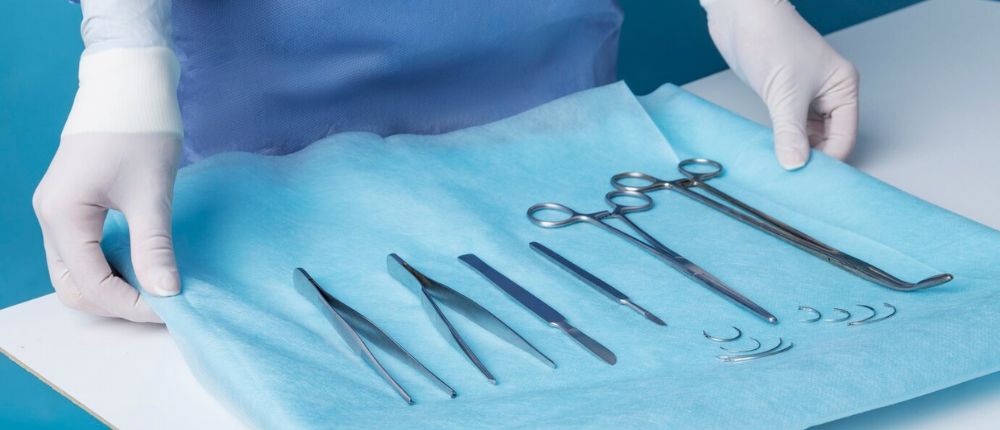
Suturing is one of the essential surgical procedures of modern medicine. However, despite its apparent simplicity, performing it correctly is a task that requires years of study and practice. It is used in various areas of the discipline, from cosmetic surgery to the treatment of wounds in emergency situations. Therefore, it is essential that healthcare professionals know the suture equipment available in the market and the advantages of each option.
In this article, we will explore the benefits of one of the most practical formats for medical emergency situations: the sterile suture material set. It is one of the most useful resources for emergencies because it allows intervention anywhere and at any time without having to worry about the availability of material.
Suturing as a surgical intervention
As mentioned above, suturing is a surgical operation designed to seal the skin or tissue for proper healing. This has multiple benefits for the body, as it not only accelerates regeneration, but also minimizes the contact of the laceration with the outside, protecting it from pathogens.
Depending on the size or location of the wound, suturing techniques and procedures vary. The same goes for the materials used or the number of stitches that need to be made. Therefore, it is essential that the person performing the procedure has extensive knowledge of human biology and can identify the nature of the injury.
Importance of sterility
Sterility is crucial in the suturing process to prevent infections. Sutures, needles, and other instruments that come into direct contact with the wound must be sterile. However, not everything in the environment needs to be sterile; a clean environment is sufficient for most suturing procedures.
The sterile suturing set
Although the materials required to carry out surgery are easy to find in medical facilities, having a sterile suturing set is a good option for emergency situations. These have all the necessary instruments for the intervention, avoiding oversights that may hinder the operation, and imply less expenditure on sterilization services. Additionally, they allow for quick action as they are already disinfected and are a convenient option for healthcare professionals who need to travel to homes or assist in ambulances.
At DH Medical Material we have different options of sterile suturing sets, but on this occasion, we will focus on the model provided by Quam. This includes:
· 1 tray with 2 compartments to organize the material.
· 5 nonwoven fabric gauzes to keep the area clean. The gauzes are 7.5 cm by 7.5 cm.
· 1 Adison clamp without teeth, 12 cm long, for holding tissues and suturing thread.
· 1 Hegar-Mayo type needle holder, 14 cm long.
· Sharp-pointed scissors for cutting the thread, gauzes, or surrounding tissue.
· 1 fenestrated field, 50 cm by 60 cm, with a 6 cm diameter hole.
· 1 wrapping field, 50 cm by 50 cm.
The kit does not include thread or needle.
How to use it
As previously mentioned, the procedure will depend on the nature of the wound and the type of tissue, although there are several steps that are common in most interventions.
Initial steps
1. Ensure the environment is sterile or, at least, as hygienic as possible. It is important to carry out any surgical operation preventing future infections, so it is essential to have a disinfectant cleaner and sterile gloves.
2. Prepare and arrange the instruments for the intervention in an easily accessible place to avoid interruptions once the process has started.
3. Condition the intervention area. This includes disinfecting the area surrounding the wound with physiological serum and antiseptic and placing the fenestrated field around to prevent the transfer of infectious agents.
4. If the situation requires it, administer local anesthesia. Wait a prudent time and make sure it takes effect before proceeding with the intervention.
5. Debride dead tissue, if any, before starting suturing to ensure that the area is clean and can be operated on without obstacles.
6. If bleeding is abundant, we will apply hemostasis techniques.
7. Before proceeding with the operation, check the tension of the edges of the laceration to determine what type of suture we should perform.
Precautions for use
Although suturing is a minor surgical procedure, certain guidelines must be followed to ensure its success. One of them, and probably the most important, is to ensure the sterility of the material at all times.
Emergency situations may require a quick response and force us to operate in places far from the safety of a medical facility. In these cases, we must bear in mind that, although the material is disinfected, a slight oversight can have fatal consequences for the patient. Therefore, it is important to handle the instruments carefully, avoiding contamination and preventing the suture from becoming a source of infection.

