


BIOLOGICAL EFFECTS OF ELECTRIC ENERGY
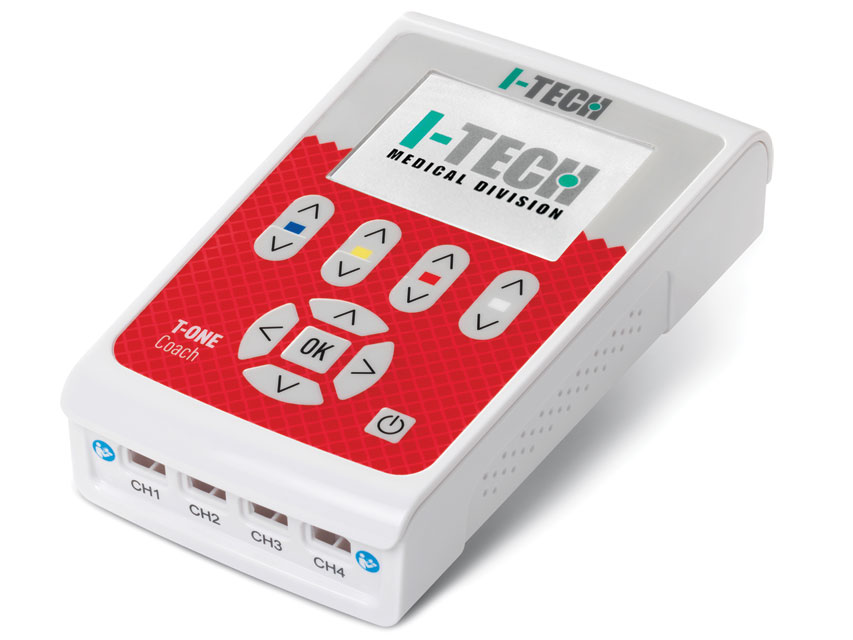
Electrotherapy is a part of physiotherapy that, through a series of physical stimuli produced by an electric current, manages to trigger a physiological response that translates into a therapeutic effect.
Electrotherapy is used to stimulate the denervated muscle, to reduce atrophy due to non-use of the normoinnervated muscle, to maintain muscle trophism in the denervated or partially innervated muscle, and to enhance the innervated muscle.
The main effects of an electric current applied to a body tissue are represented by the excitomotor, thermal, trophic, analgesic, and chemical effects.
Main effects of electrotherapy:
- Training of the neuromuscular system to respond appropriately during voluntary and involuntary effort by providing an active contraction (isometric, concentric, and eccentric) and the resultant joint movements allowing proprioceptive feedback.
- Modulation of pain through the gate control mechanism or descending inhibition mechanisms (production of endogenous opioids).
- Control or reduction of spasticity through the stimulation of agonists (contraction-relaxation), antagonists (reciprocal inhibition), or sensorimotor inhibition.
- Provide transdermal supply of drug substances into the skin (iontophoresis).
- Improve or maintain joint mobility through the mechanical contraction of muscles or connective tissues, or reduction of movement impairment from neuromuscular dysfunctions (for example, spasticity), pain, or edema.
- Promote wound healing by increasing local circulation, providing a bactericidal effect, or altering electrical charges in the injured area.
- Delay or resolve edema, through muscular pumping activity or the effect of electrical charges on interstitial proteins (electric field phenomenon).

